Deck Privacy Ideas
9 DIY & Designer Fixes for Deck Privacy – Ideas That Actually Work
Elevated decks offer great views but can leave you exposed to neighbors or street traffic. Whether your deck sits one story up or higher, finding privacy solutions that work at height requires different thinking than ground-level patios. You need options that attach securely to railings, handle wind exposure, and comply with building codes while still looking intentional and finished.
This article covers nine practical privacy solutions designed specifically for raised decks. From lightweight screens that mount to existing railings to permanent structures that define your elevated outdoor room, each option addresses the unique challenges of creating seclusion when you’re working above ground level.
Laser-Cut Metal Privacy Screens

Metal screens work particularly well on elevated decks because they’re lightweight and handle wind better than solid panels. You can mount them directly to your deck railing posts without adding excessive weight to the structure.
These panels resist rust and weather exposure, which matters more on elevated decks where rain and sun hit harder. The cutout patterns reduce wind load while still blocking direct sightlines from neighboring windows or streets below.
Most laser-cut screens come with mounting brackets designed for standard 4×4 or 6×6 deck posts. This makes installation straightforward without requiring specialized hardware. You can position them along one side for targeted privacy or wrap multiple panels around corners for fuller coverage.
At night, uplighting from deck-mounted fixtures creates shadow patterns through the cutouts. This adds visual interest while maintaining the screen’s primary function. Choose aluminum for the lightest weight or powder-coated steel if you need extra durability in coastal wind conditions.
Pergola with Side Panels

Adding a pergola with side panels to your deck creates a defined outdoor room at elevation. The overhead structure provides a frame for privacy walls while also offering shade and a mounting point for lighting or fans.
For decks, you’ll want to attach the pergola posts securely to your deck frame or anchor them to the ground if your deck height allows. Check local building codes, as adding a roof-like structure may require permits depending on coverage area and height.
Side panels can be solid, slatted, or lattice depending on how much wind protection you need. Elevated decks catch more wind than ground-level patios, so consider panels with gaps that let air flow through rather than creating sail-like resistance.
If you plan to grow climbing plants on lattice side panels, account for the additional weight once vines mature. Wisteria and grape vines get heavy, while clematis and annual vines stay lighter. Make sure your pergola structure can handle the load, especially in areas with strong winds.
This approach works best on larger decks where you have room for posts without crowding the usable space. It effectively turns your deck into a semi-enclosed outdoor living area.
Retractable Fabric Shade Walls

Retractable systems give you control over privacy and wind protection on elevated decks. When winds pick up, you can roll the fabric up to reduce stress on the mounting hardware. When you want seclusion, you roll it down.
Mount the track system to your deck’s overhead structure, pergola beams, or to posts you add specifically for this purpose. Make sure the mounting points are solid, as wind can put significant force on extended fabric.
Choose marine-grade or outdoor-rated fabric that handles UV exposure and won’t mildew in damp conditions. Elevated decks get more direct sun, so fade-resistant materials last longer before needing replacement.
For decks without overhead structures, you can install freestanding posts at the deck edge and run the retractable system between them. This requires securing the posts to your deck frame rather than just the decking boards.
Motorized versions make operation easier, especially if you’re managing multiple panels. Manual crank systems work well for single walls and don’t require electrical wiring, which can be simpler on elevated decks.
Hanging Outdoor Curtains

Outdoor curtains are among the lightest privacy options for decks, which matters when you’re working with weight restrictions. They provide soft coverage without adding structural load to your railing or posts.
You can hang curtains from a pergola, from rods mounted between deck posts, or from a cable system along your deck edge. For elevated decks, make sure your hanging system accounts for wind. Weighted hems or grommets with tie-downs prevent the fabric from billowing excessively.
Choose weather-resistant fabric that won’t rot or fade quickly. Sunbrella and similar outdoor fabrics hold up better than indoor curtains and resist mildew from rain exposure. Darker colors provide more privacy but may fade faster in direct sun.
For decks with cable railings, you can attach rod brackets directly to the posts and hang curtains between them. This creates privacy without interfering with your railing system. The curtains slide open when you want an unobstructed view and close when you need seclusion.
If your deck catches strong prevailing winds, consider tiebacks or clips to secure curtains when not in use. This prevents wear on the fabric and keeps your deck tidy during windy weather.
Modern Slatted Wood Divider

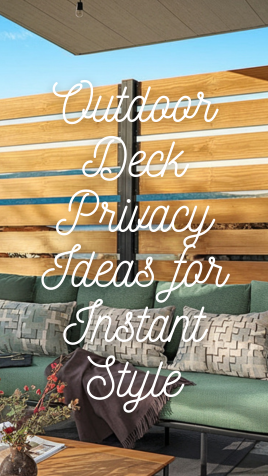
Slatted dividers offer privacy while allowing airflow, which is especially important on elevated decks where solid walls can create uncomfortable wind tunnels or sail effects. The gaps between slats reduce wind load while still blocking most sightlines.
You can mount a slatted divider to your existing deck railing posts or install dedicated posts that anchor to your deck frame. If mounting to the deck structure rather than the ground, work with a contractor to ensure proper load distribution.
For elevated decks, choose naturally weather-resistant wood like cedar or ipe, or use composite materials that won’t warp from moisture and sun exposure. Height matters here, check local codes for maximum allowed railing extensions, as privacy screens typically count toward total height restrictions.
Horizontal slats create a wider, more modern look and are easier to install level. Vertical slats can make your deck feel taller but require more precise spacing to maintain visual consistency. Either orientation works, choose based on your deck’s proportions.
This type of divider works well along one side of a deck where you need to block a specific view, like a neighbor’s second-story window. You can also use it to section off different areas on a larger deck.
Gabion Rock Wall
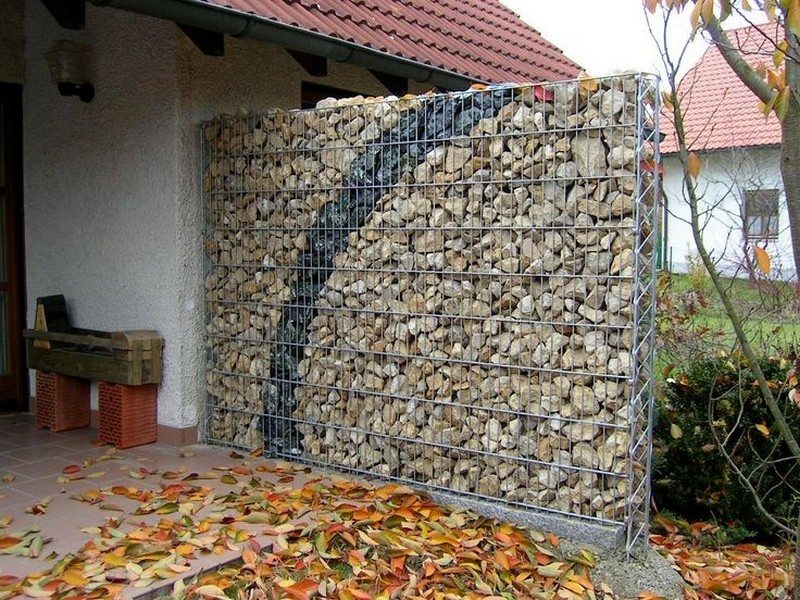
Gabion walls work best for ground-level deck sections or decks that sit close to the ground. The weight of rock-filled cages makes them impractical for elevated decks unless you’re placing them on the ground beside the deck rather than on the deck itself.
If your deck is low to the ground (within 2-3 feet), you can position a gabion wall alongside it to create privacy without loading weight onto the deck structure. This approach works well when you want a permanent solution that doesn’t require attaching to the deck frame.
For raised decks, consider placing gabion walls on the ground underneath the deck to screen the open space below. This tidies up the area while also blocking views from ground level to your deck floor.
The wire baskets resist wind and weather without maintenance. Once filled with stone, they stay in place and don’t require painting, staining, or seasonal care. This makes them practical if you want a privacy solution that doesn’t demand ongoing attention.
Because gabion walls are heavy and permanent, they work best when you own the property and plan to keep the privacy feature long-term.
Frosted Glass Panels

Glass railing panels with frosted film give you privacy while maintaining a sleek, modern appearance. Many building codes allow glass railings on elevated decks, and adding a frosted finish lets you meet safety requirements while also blocking views.
Tempered glass handles wind and weather well, which matters on elevated decks where exposure is higher. The panels stay clear of rust, rot, and insect damage that affect wood or metal. They require occasional washing but no refinishing.
If you’re replacing existing railings, consider a glass system with built-in frosted panels. If you have cable or wood railings you want to keep, you can mount frosted glass panels behind them for privacy while preserving the original look.
For full privacy, use completely frosted glass. For partial coverage, consider panels that are frosted only in the lower or middle section, leaving clear glass at the top for views. This balance gives you seclusion while still letting you see outward.
Installation typically requires professional help, as glass panels need proper mounting hardware to handle wind loads safely. Incorrect installation on an elevated deck poses fall risks, so this is not a typical DIY project. outdoor seating
Accordion Folding Divider

Folding dividers work well on decks when you want temporary privacy that doesn’t require permanent installation. They sit on the deck surface without attaching to railings or posts, making them suitable for rental properties or situations where you can’t modify the structure.
Look for dividers designed for outdoor use with weather-resistant materials. Metal or synthetic frames handle sun and moisture better than unfinished wood. Some models include wheeled bases that make repositioning easier on flat deck surfaces.
You can use an accordion divider to section off part of a deck for privacy during gatherings, then fold it away when not needed. This flexibility works well if you don’t need full-time privacy or want the option to open up your space.
For elevated decks, make sure the divider sits stable on the decking surface. Models with wider bases or weighted bottoms resist tipping better in wind. Avoid lightweight folding screens on exposed high decks where gusts could knock them over.
When folded, these dividers take up little space, which matters on smaller decks where storage is limited. You can keep one tucked along a wall or in a corner until you need it.
Movable Privacy Screen

Freestanding privacy screens give you flexibility without requiring any installation or mounting. They work especially well on rental property decks or when you want privacy that adjusts to different situations.
Choose screens with sturdy bases that can handle wind. Lightweight screens may blow over on elevated decks, so look for weighted or wider bases that provide stability. Some models include planters at the base, which adds weight while also incorporating greenery.
You can position a movable screen to block a specific view, like a neighbor’s window, then relocate it when that’s no longer a concern. This adaptability makes them practical for decks where privacy needs change seasonally or based on gatherings.
Metal or composite screens resist weather better than fabric or untreated wood. If you’re storing the screen on the deck year-round, durability matters more than if you’re bringing it inside during off-seasons.
For larger decks, you can use multiple screens to create flexible privacy zones. They work particularly well for defining separate areas like dining spaces or lounging zones without permanent walls.
Key Considerations for Deck Privacy
When planning privacy features for your deck, you need to think about the materials you choose, the rules that apply in your area, and how much upkeep you are willing to handle. Each of these factors affects cost, appearance, and how long your privacy solution will last.
Material Selection and Durability
Elevated decks face harsher conditions than ground-level patios. Rain hits harder, sun exposure is more direct, and wind loads are higher. Materials need to handle these conditions without constant maintenance.
Cedar and composite materials resist moisture and UV damage well. Metal screens won’t rot but may show scratches or oxidation over time. Glass stays durable but requires careful installation to meet safety codes for elevated railings.
Consider weight when choosing materials. Every privacy feature adds load to your deck structure, which has weight limits based on how it was built. Heavy materials like filled gabion cages work better on the ground beside your deck rather than on the deck itself.
Match your privacy material to your existing railing and decking for a cohesive look. Mixing too many different materials can make a deck feel cluttered rather than intentional.
Local Building Codes and Regulations
Deck modifications often require permits, especially if you’re adding structures that change the height or coverage area. Privacy walls that extend above existing railings may violate height restrictions or trigger requirements for engineering reviews.
Most codes limit railing height to 42 inches on residential decks. If your privacy screen attaches to or extends from the railing, it likely needs to comply with this limit unless you obtain a variance.
Any structure that creates a “roof” effect, like a pergola with solid side panels, may change your deck’s classification from open to enclosed. This can affect permits, inspections, and even property taxes in some jurisdictions.
Check setback requirements if you’re adding privacy features near property lines. Even if the deck itself is legal, extending privacy walls may violate setback distances to neighboring properties.
Maintenance Requirements
Elevated decks are harder to maintain because you’re working at height. Choose privacy features that don’t require frequent refinishing or climbing on ladders to reach.
Wood screens need staining or sealing every 2-3 years. Metal may need repainting if the finish wears. Glass requires regular washing to prevent water spots and buildup, but you can do this from the deck surface.
Retractable fabric systems need occasional cleaning and mechanical maintenance to keep the rolling mechanisms working smoothly. Curtains need washing and may require replacement after several seasons of sun exposure.
If you’re not comfortable working on ladders or at height, factor in professional maintenance costs when choosing your privacy solution.
Enhancing Privacy and Aesthetics
You can improve privacy on your deck while also making the space more attractive. Natural elements and thoughtful lighting both play a role in shaping how comfortable and secure your outdoor area feels.
Integrating Landscaping Elements
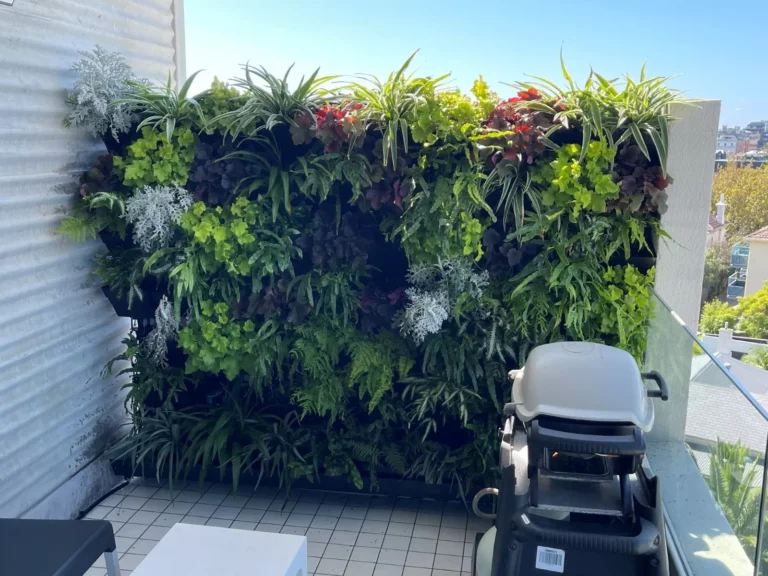
Ground-level plantings can enhance privacy for elevated decks by screening views from below. Tall shrubs, ornamental grasses, or small trees planted at ground level grow up to create natural barriers that complement deck-mounted privacy features.
Container plants on the deck itself add greenery without requiring ground access. Large planters with tall grasses or shrubs can sit along deck edges to create living privacy screens. Make sure your deck can handle the weight of large soil-filled containers, especially when wet.
Climbing plants on deck-mounted trellises offer privacy with less weight than soil-filled planters. Wall-mounted or railing-attached trellises support vines without taking up deck floor space. Choose lightweight annual vines like morning glory or black-eyed Susan vine for minimal weight.
Consider maintenance access when planning plant locations. You’ll need to water, prune, and care for plants on an elevated deck, so position them where you can reach comfortably without leaning over railings.
Lighting for Ambiance and Security
Proper lighting makes elevated decks safer while also enhancing privacy. Downlighting from railings or posts illuminates the deck surface without creating glare that makes you visible from outside.
For security, place motion-activated lights at stairways and entry points. This discourages unwanted attention while also helping you navigate safely. Solar-powered options work well on decks where running electrical lines is difficult.
String lights or lanterns create ambiance without making your deck too bright. Soft lighting makes the space comfortable for evening use while also defining the boundary between your private deck and surrounding areas.
Layer different light types: task lighting for dining or cooking areas, ambient lighting for general use, and accent lighting to highlight privacy features or plantings. This creates depth and makes your elevated deck feel like a finished outdoor room.
Related articles about outdoor privacy:
Secret’s Out: Stylish Patio and Deck Privacy Ideas You’ll Love
Hide in Plain Site: Creative Patio Privacy Walls, Screens and More
From Tiny Balconies to Big Decks: Privacy Hacks for Every Space