Tiki Bar Decor Ideas to Transform Your Space into a Tropical Oasis
Tiki Bar Decor Ideas to Transform Your Space into a Tropical Oasis
Tiki Bar Decor Ideas to Transform Your Backyard into a Tropical Oasis

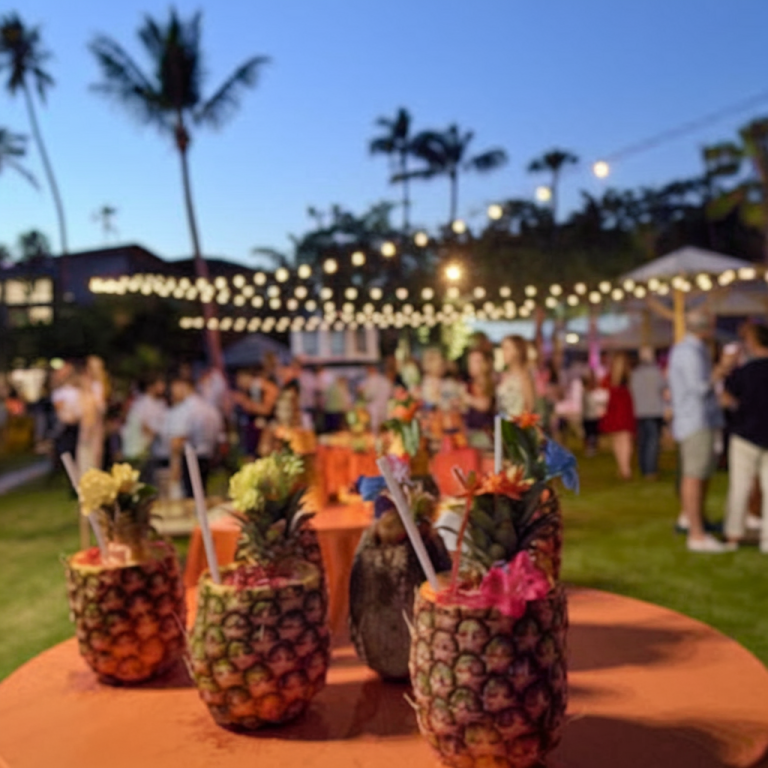
Picture stepping into your backyard at sunset and feeling instantly transported to a private island resort. The warm glow of hidden LED lights catches carved tiki faces, casting dramatic shadows across a sleek bamboo bar. Your guests sink into deep-cushioned chairs, tropical cocktails in hand, while the sound of water features mingles with island music. This isn’t a college party aesthetic—it’s sophisticated outdoor entertaining with a tropical soul.
Creating an elevated Tiki bar transforms your backyard into an escape worthy of the most memorable gatherings. The secret lies not in grass skirts and plastic leis, but in balancing authentic tropical elements with the polished design sense that makes outdoor spaces feel like curated destinations. Here’s how to create a backyard tiki bar that commands attention while maintaining the refined aesthetic your entertaining deserves.
The Foundation: Positioning Your Tiki Bar as a Destination

Your tiki bar should anchor your outdoor entertaining space, not hide in a corner. Position it where it becomes the natural gathering point—typically 10-15 feet from your main seating area, creating a defined bar zone while maintaining flow. Consider sight lines from your home; your bar should be visible through key windows, creating visual interest even when not in use.
Imagine this setup: Guests naturally circulate between the bar, lounge seating, and pool area without crowding any single zone. The bartender has a commanding view of the entire space, can engage with everyone, and has easy access to supplies. This thoughtful positioning transforms your bar from a furniture piece into an entertainment hub.
Architectural Elements That Elevate

The difference between “backyard tiki bar” and “sophisticated tropical oasis” lives in the details of construction and material selection. Skip the flimsy bamboo fencing from hardware stores—invest in architectural-grade materials that weather beautifully and maintain structural integrity.
Premium materials that deliver:
- Marine-grade teak or ipe for countertops: Weather-resistant hardwoods that develop a silvery patina and last decades
- Solid bamboo poles (3-4″ diameter): Structural-grade bamboo, properly treated and sealed
- Professional synthetic thatch: UV-protected, fire-resistant materials that look authentic but don’t deteriorate
- Hand-carved tiki faces: Investment pieces that become conversation starters, not mass-produced plastic
Magnify the investment: A well-constructed tiki bar typically costs $3,000-8,000 but becomes a permanent outdoor feature that elevates property value and creates countless entertaining opportunities. Compare that to repeatedly replacing cheap materials every 2-3 years.
Lighting: Creating Atmosphere from Sunset to Midnight

Lighting transforms your tiki bar from daytime furniture to evening destination. Layer your lighting to create depth and drama—never rely on a single light source.
The lighting hierarchy:
- Ambient layer: LED strips hidden within bamboo posts or under the bar counter, providing soft upward glow
- Task lighting: Focused lights on the bar work surface (crucial for mixing drinks)
- Accent lighting: Uplights on key tiki faces, dramatic shadows on surrounding plants
- Overhead ambiance: String lights (warm white, never multicolor) creating a canopy effect
- Authentic flame: 2-4 tiki torches positioned strategically for dramatic effect
Atmospheric timing: Install lighting on dimmers or smart controls. As golden hour transitions to evening, gradually increase lighting intensity. By full dark, your bar should glow like a beacon, drawing guests naturally while maintaining intimacy in conversation areas. lighting and ambiance
The Comfort Factor: Seating That Keeps Guests Lingering

Nothing kills a gathering faster than uncomfortable seating. Your guests shouldn’t feel like they’re sitting on bar stools at a beach shack—they should sink into comfort that makes them forget they’re outdoors. seating areas
Seating strategy:
- Bar stools with backs and armrests: Essential for extended conversations
- Deep cushions (5-6″ thick): All-weather fabric in tropical-inspired colors
- Multiple seating zones: Bar perching, deep lounging, casual standing
- Strategic placement: No guest should be more than arm’s length from setting down their drink
Comfort timeline: Plan 30 minutes at the bar for initial drinks and conversation, then guests naturally flow to lounge seating for the main event. This circulation keeps energy high and prevents any single area from feeling stagnant.
Consider the position of the sun and think about using bamboo shades to deflect bright light.
Tropical Plants: Living Architecture vs. Decoration

Tropical plants aren’t background decoration—they’re living architecture that frames your tiki bar and creates the immersive environment. Think museum-scale specimens, not grocery store houseplants.
Strategic plant selection:
- Immediate backdrop: 6-8 foot palms or bird of paradise flanking the bar
- Privacy screening: Bamboo or tropical hedge creating enclosure without claustrophobia
- Understory layers: Elephant ears, ferns, and ti plants at 3-4 feet, filling middle ground
- Accent pops: Bromeliads and orchids in coral and pink tones
Positioning principle: Plants should create the illusion that your bar emerged naturally from a tropical environment, not that you stuck a bar in your existing yard and added plants around it.
The Bar Top: Where Function Meets Impression

Your bar top is where the magic happens—and where every guest’s eyes immediately focus. This surface must work hard: mixing cocktails, serving drinks, holding conversations, and looking impeccable simultaneously.
Bar top essentials:
- Minimum 24″ depth: Space for working behind the bar plus guest interaction
- 6-8 foot length: Accommodates 4-6 guests comfortably at the bar
- Sealed, non-porous surface: Cocktails will spill; your bar top shouldn’t stain
- Hidden storage below: Keeps bar top clear while maintaining supplies within reach
Magnify the presentation: Keep your bar top deliberately curated. Display premium liquors in attractive bottles, fresh tropical fruit in a carved wooden bowl, and a single statement flower arrangement. Everything else—mixers, ice, backup supplies—stays hidden below.
Signature Elements That Tell Your Story

Generic tiki bars feel like theme restaurants. Elevated tiki bars tell a story—preferably yours. Layer in personal elements that spark conversation and create connection.
Storytelling through design:
- Custom signage: Your family name or property name carved in traditional style
- Travel memorabilia: Maps, vintage travel posters, or photographs from tropical destinations you’ve visited
- Curated collections: Vintage tiki mugs, handcrafted items from island artisans, meaningful pieces with history
- Interactive elements: Chalkboard displaying daily special cocktails, guest book for gathering memories
Atmosphere principle: Every element should feel intentional, not randomly assembled. If a guest asks “where did you get that?” you should have a story worth telling.
Timeline: Creating Your Tiki Oasis
Phase 1 (Weeks 1-2): Structure and positioning
- Finalize location and layout
- Order/construct main bar structure
- Install electrical for lighting
Phase 2 (Weeks 3-4): Infrastructure and plantings
- Complete bar construction and seating
- Install major tropical plants
- Add water features if included
Phase 3 (Weeks 5-6): Details and atmosphere
- Install lighting systems
- Add decorative elements and personal touches
- Stock bar and test systems
Debut event (Week 7): Your first proper tiki gathering
The transformation from concept to completion typically spans 6-8 weeks for a properly executed tiki bar. This isn’t a weekend project—it’s creating a permanent outdoor feature that will host countless gatherings for years to come.
Maintaining the Oasis: Year-Round Excellence

A sophisticated tiki bar requires year-round attention. Establish maintenance rhythms that keep it perpetually guest-ready.
Seasonal maintenance calendar:
Spring (March-April):
- Deep clean all surfaces
- Inspect and repair any winter damage
- Refresh cushions and fabrics
- Fertilize tropical plants
Summer (May-September):
- Weekly bar top cleaning
- Monthly deep clean of all elements
- Monitor and adjust plant watering
- Check and maintain lighting
Fall (October-November):
- Prepare winterization plan
- Store delicate decor elements
- Protect plants from first frost
- Deep clean before covering
Winter (December-February):
- Quality covers on all furniture
- Monthly check for water damage
- Off-season planning for improvements
Comfort principle: A well-maintained tiki bar is always ready for an impromptu gathering. No guest should ever see you frantically cleaning or repairing before they arrive.
The Complete Tiki Bar
Your backyard tiki bar isn’t just outdoor furniture—it’s a destination that elevates every gathering from casual to memorable. By focusing on quality materials, thoughtful positioning, layered lighting, and personal storytelling, you create more than a place to mix drinks. You create an escape.
The most successful tiki bars balance tropical authenticity with sophisticated design. They transport guests without veering into kitsch. Tiki bars function flawlessly while looking effortless. They become the backdrop for countless stories, the reason friends ask “can we do this at your place?”
Invest in doing it right: premium materials, professional construction, thoughtful details. Your tiki bar will reward you with decades of exceptional outdoor entertaining, countless sunset cocktails, and the satisfaction of knowing your backyard offers something truly special.
Now mix yourself a proper Mai Tai and start planning. Paradise is waiting.
Other tiki bar article topics:
Tiki bar construction: build one from scratch
Create your own: DIY projects
Employing weathered appearance