The Backyard Forest Wedding: How to Turn Any Yard Into a Woodland Venue
The Backyard Forest Wedding: How to Turn Any Yard Into a Woodland Venue

A forest wedding isn’t about trees. It’s about how the eye moves through space.
You don’t need a venue in the woods to create that sense of being enveloped by nature, of stepping into something magical and separate from everyday life. You need to understand what makes a forest feel like a forest—the vertical layers from ground to canopy, the way light filters through leaves, the texture of organic materials underfoot, the sense of enclosure without walls. And then you need to recreate those principles in any backyard.
This is what we call the Layered Forest Method, and it’s a systematic approach to creating woodland atmosphere without actual forest. It works in suburban yards with three oak trees. Too, it works in flat desert backyards with no trees at all. It works because you’re not faking a forest—you’re designing an environment that triggers the same emotional response as being in the woods.
Why Backyard Forest Weddings Work
The average forest wedding venue rental costs between eight and fifteen thousand dollars. A backyard transformed with the Layered Forest Method costs between seventeen hundred and three thousand dollars. Most guests can’t tell the difference in photographs, and more importantly, they can’t tell the difference in person.
This isn’t about cutting corners. It’s about understanding environmental design well enough to build the experience you want rather than renting someone else’s version of it.
What makes a space feel like “forest” has nothing to do with whether you’re technically in the woods. It’s about vertical layering—the progression from ground cover through human activity zones up to overhead canopy. It’s about filtered, dappled light rather than direct sun or artificial illumination. And it’s about organic textures and colors, the weight of wood and metal and natural fiber rather than plastic and resin. It’s about a sense of enclosure, of being inside something, without actual walls blocking your view.
When you understand these principles, you can create them anywhere. A suburban backyard with a few trees becomes a clearing in the forest. A flat Arizona lot with no trees becomes a high desert woodland. The architecture is what matters, not the raw materials.


Left: Backyard before Right: Backyard after Photo Credits: Christine Rigenbach
The Layered Forest Method
Environmental designers think in layers. When you walk into a forest, your brain processes four distinct zones simultaneously: what’s beneath your feet, what’s at your activity level, what’s above your head, and how light moves through all of it. Recreate these four layers in sequence, and you create the feeling of being in the woods regardless of your actual location.
The Ground Layer
The ground layer is your foundation, and its entire job is to eliminate the feeling of “lawn.” Grass reads as suburban backyard. Anything that covers grass reads as intentional event space, and when that covering uses organic textures, it reads as forest floor.
Start with natural fiber rugs to define your primary zones. Jute and sisal work perfectly because they have the right texture and weight—they look organic, not decorative. Place a large runner down your ceremony aisle. Use round or rectangular rugs to anchor your dining area beneath tables. Add smaller rugs to define your bar area and any lounge spaces.

Pathways
Between these defined zones, create pathways using decorative wood chips or bark mulch. You’re not actually building permanent paths—you’re using temporary material to suggest trails through the woods. This is what guides guests from one forest room to another without needing walls or clear division.
At the edges and corners where rugs meet grass, cluster ferns in their grow pots. This transition material is critical. It’s what makes the rug look like a natural clearing rather than a rug sitting on a lawn. Group three to five ferns at each major corner, varying the heights slightly. If you want to get more elaborate, add sheet moss around the fern bases, but the ferns alone do most of the work.

For the ceremony aisle specifically, consider a moss runner rather than jute. Preserved moss sheets come on rolls and can be laid directly over grass. They photograph beautifully and they feel special underfoot in a way that fabric doesn’t. They’re more expensive per linear foot than jute, but you only need them for a ten or fifteen foot aisle—everywhere else can use less precious materials.
The Mid Layer
The mid layer is where your guests actually exist—where they sit, stand, eat, and interact. Everything they touch needs to feel like it belongs in the woods, which means wood, metal, and natural fiber. Nothing plastic, nothing white resin, nothing that screams “party rental.”
Farm tables are non-negotiable for forest weddings. Long wooden tables with visible grain and texture are what make dining feel like it’s happening in a rustic lodge rather than at a catered event. If you’re renting, specify farm tables or harvest tables—rental companies know exactly what this means. If you’re borrowing or buying secondhand, look for anything wooden with character. Imperfections help rather than hurt.
For the bar, the same principle applies. You want a bar with a wood front, ideally live-edge if you can find it. The bar is a major visual focal point, and if it’s wooden while everything else is wooden, it integrates into the forest aesthetic. If it’s standard rental white or black, it reads as intrusion. Many rental companies now carry rustic bar options specifically because of this design shift in events.
Seating
Seating should be wooden chairs—cross-back chairs, folding wooden chairs, even mismatched vintage wooden chairs if you’re going for a more eclectic forest vibe. The key is the material. Metal chairs can work if they’re matte bronze or copper tones, but avoid silver or chrome.
For cocktail hour, use tree stump tables rather than standard cocktail tables. Real tree stumps if you can source them locally, or the very convincing resin versions that rental companies carry. These become focal points that reinforce the forest theme while serving a practical purpose.

Centerpieces for the dining tables should be fern-heavy rather than flower-heavy. Ferns in wooden boxes or wooden troughs, mixed with candles in glass hurricanes. The goal is low enough that guests can see each other across the table, but substantial enough that the greenery feels like forest understory. Add one or two wood lanterns per table for vertical interest.

The Vertical Layer
The vertical layer is where the magic happens. This is your canopy, and it’s what transforms open sky into enclosed forest. Without overhead elements, you have an outdoor wedding with nice decorations. With overhead elements, you have an immersive environment.
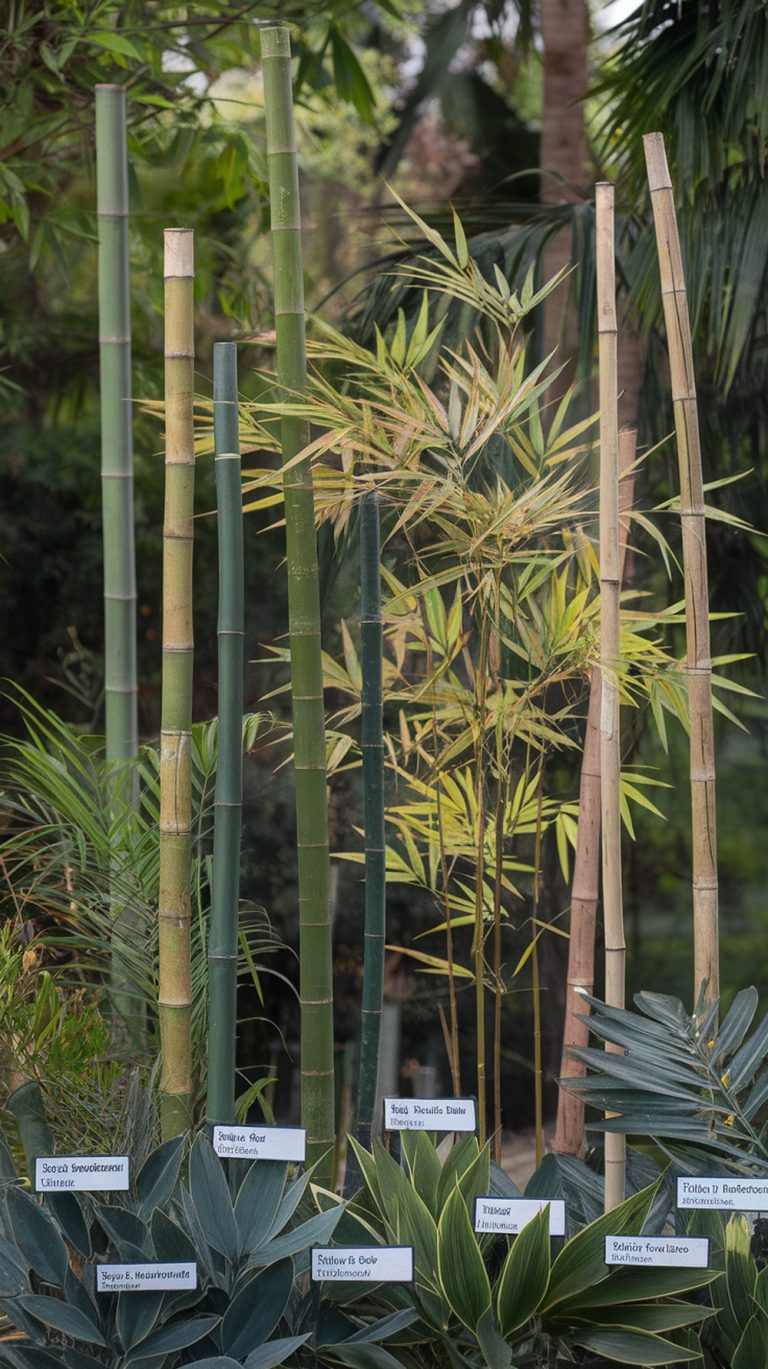
The structural framework depends on your existing backyard architecture. If you already have a pergola, gazebo, or covered patio, you’re starting with built-in support. If you’re working with open lawn, you’ll need to create vertical structure using tall wooden poles, bamboo poles, or rented pipe-and-drape stands that you’ll cover with natural materials.
The poles become your tree trunks. Space them around the perimeter of your ceremony and dining areas—not in a perfect grid, but in an organic pattern that suggests a grove of trees. These can be ten to twelve foot poles sunk into weighted bases or driven temporarily into the ground. The height is important. Too short and they feel like decorative posts. Tall enough and they read as architectural elements that support a canopy.
Between these poles, drape fabric to create your overhead canopy. This is not ceiling decoration—this is environmental design. Use moss green, warm taupe, or rich brown fabric in a natural fiber if budget allows, or cotton muslin if you’re working lean. The fabric should hang with some drape and weight, creating the visual of leaves and branches filtering the sky above.

Canopy Basics
Don’t cover every inch of overhead space. Leave gaps for light to filter through. Forests aren’t solid ceilings—they’re layered canopies with holes where sun breaks through. Your fabric should mimic this. Drape it in swags between poles, creating peaks and valleys. Let some sections hang lower than others. The irregularity is what makes it feel natural rather than tent-like.
Hang greenery from this fabric canopy—eucalyptus garlands, ivy strands, fern fronds. These don’t need to be dense. You’re adding vertical texture, not creating a solid roof of leaves. Drape the greenery along the fabric edges where it connects to poles. Let it trail down in a few key places. The movement of hanging greenery, especially in any breeze, adds to the forest illusion.
Suspended lanterns and Edison bulb strings should weave through this vertical layer as well, but we’ll discuss those in the light layer section. For now, the goal is to establish that your vertical elements—poles, fabric, greenery—create visual “branches” that guide the eye upward and make guests feel like they’re beneath a canopy rather than under open sky.
[PHOTO: Wide shot showing how vertical elements define the ceremony or dining space from the side, demonstrating enclosure without walls. Place after vertical layer section.]
The Light Layer
Light is what makes the forest wedding work at the emotional level. Forests have dappled light—sun filtering through leaves, creating patterns of bright and shadow, always in motion as wind moves branches above. You can’t recreate that exactly with artificial lighting, but you can create the feeling of filtered, indirect light rather than direct illumination.
The rule for forest wedding lighting is simple: no direct downlighting. Every light source should be filtered, diffused, or bounced.
String lights are your primary tool. Not the heavy-duty café lights that read as patio lighting, but finer string lights with warm white or amber bulbs. Weave these through your fabric canopy, following the draping lines of the fabric. Let them hang in loose swags between poles. The goal is for the light to appear to come from within the canopy rather than from external fixtures pointing at your space.
Lanterns at varying heights add to the filtered light effect. Hang some lanterns from the canopy using fishing line or thin rope. Place others on tables at dining height. Set more on the ground along pathways and at the edges of your forest rooms. The variation in height is what creates that dappled quality—light coming from multiple levels simultaneously.
For the ground-level lanterns, use LED candles rather than real flames unless you’re confident in your fire safety setup. The newer battery-operated candles with flickering effects are nearly indistinguishable from real candles in photographs and much safer with fabric overhead.
More Lighting
If you want to get more sophisticated with the lighting—and this is where forest weddings can become truly spectacular at twilight—add uplighting on your fabric canopy. Position wireless LED uplights on the ground, aimed up at the fabric from below. Use amber or warm white color temperature. This creates the effect of firelight or sunset filtering through the canopy, and it’s what makes guests feel like they’re inside something glowing rather than just standing under decorations.
The lighting should intensify as natural light fades. During cocktail hour in late afternoon, you might have all your candles and lanterns lit but string lights off. As the sun sets, bring up the string lights. After dark, add the uplighting. This progression mimics how forests change from day to evening to night—gradually darkening with pockets of remaining light rather than sudden on/off shifts.
The Forest Rooms Approach
Instead of trying to create one continuous forest, think of your backyard as containing distinct woodland zones. Each room has a different purpose and slightly different atmosphere, just like walking through an actual forest where you encounter clearings, dense groves, and open spaces.
This room-based approach solves the practical problem of how to fit ceremony, cocktails, and dining into a single backyard without everything bleeding together. The rooms give structure while maintaining the forest feeling throughout.
The Ceremony Grove
Your ceremony space should feel like a natural clearing in the woods where people have gathered. Create a circular or semi-circular seating arrangement around the ceremony focal point rather than traditional straight rows. This immediately reads as “forest gathering” rather than “formal wedding.”
The ceremony backdrop is your architectural statement. A wooden arch or arbor becomes the focal point, dressed with hanging greenery—eucalyptus, ivy, fern fronds. This doesn’t need to be dense. You want the structure visible with greenery trailing down the sides and across the top.

Line the aisle with lanterns rather than flowers. Lanterns on shepherd’s hooks work perfectly because they add vertical elements at varied heights along the path. Space them every three to four feet on alternating sides.
Behind the ceremony arch, hang fabric panels or additional greenery to create a backdrop that blocks the view of whatever’s actually behind it—fence, neighbor’s house, parking area. This backdrop is what makes the grove feel enclosed.
Size requirement: twenty by twenty feet minimum for fifty guests in curved seating.
The Cocktail Thicket
This zone should feel denser and more intimate than the ceremony space. Guests are standing and mingling, so you want tighter groupings of furniture and more concentrated overhead canopy.
Use tree stump cocktail tables clustered in groups of three to five rather than spaced evenly. This creates conversation pods and makes the space feel less formal. Between the stump groupings, place larger lanterns on the ground.
Your bar should be positioned at one end of this zone with a wood-front bar and overhead fabric canopy that extends about six feet out from the bar itself. This creates a covered gathering spot where people naturally congregate.
The lighting in the cocktail area should be slightly dimmer than the ceremony space, with more lanterns and fewer string lights. You want this to feel cozy and conversation-friendly.
Size requirement: fifteen by twenty-five feet for guests to mingle without crowding.
The Dining Clearing
The dining area is your largest forest room, and it should feel like a banquet hall in the woods. Long farm tables in parallel rows work better than round tables for this aesthetic—they reinforce the forest lodge feeling.
Your fabric canopy here should be most developed, creating a genuine ceiling effect over the dining tables. String lights woven through the fabric provide ambient lighting, while lanterns on the tables provide task lighting for actually eating.
Keep the centerpieces low—ferns in wooden boxes or troughs running down the table centers, interspersed with pillar candles in glass hurricanes. The greenery should be substantial enough to feel like you’re dining among plants, but low enough that conversation across the table isn’t blocked.
Place your tables with enough space between rows for servers to move comfortably—you still need functional event space, just styled as forest.
Size requirement: thirty by forty feet for fifty guests seated at long tables.

The Firefly Lounge
This is your optional fourth room, but it’s what elevates a forest wedding from nice to memorable. Create a separate lounge area with low seating—wooden benches with cushions, upholstered ottomans, even hay bales covered with blankets if you’re going rustic.
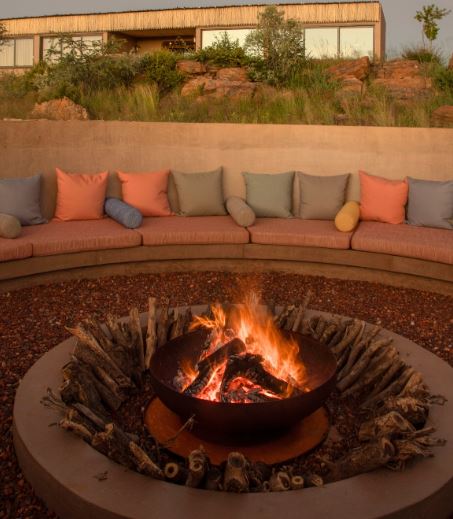
This zone has the heaviest concentration of candles and the dimmest lighting. It’s designed for guests who want to sit and talk quietly rather than stay at the party’s center. If you have fire pit capability, this is where it goes. If not, create a faux fire pit using a large metal basin filled with lanterns and candles.

Consider adding a s’mores station or hot beverage bar in this zone. Something interactive that gives guests a reason to seek out this quieter space.
The firefly lounge can be quite small—fifteen by fifteen feet is enough for intimate seating for eight to ten people at a time.
Transitioning Between Rooms
The genius of the forest rooms approach is that you don’t need walls or clear divisions. You create transitions using changes in ground cover, lighting density, and overhead elements.
Between ceremony and cocktails, the ground cover shifts from moss runner to wood chip pathway. The lighting shifts from brighter ceremony lanterns to dimmer cocktail ambiance. The overhead canopy might thin out in the transition space then densify again.

Between cocktails and dining, you might use a break in the fabric canopy—a gap that guests walk through. Or a shift from tree stump tables to farm tables signals the room change without needing a physical barrier.
These subtle transitions guide guests through your forest without them consciously noticing they’re being guided. They just experience moving from one woodland space to another.
Creating Forest Depth in a Flat Yard
Most backyards are flat and feel exposed. You can see the perimeter fence, the neighbor’s house, the edges of the property. This is the opposite of forest, where sight lines are blocked by trees and undergrowth, where you feel enclosed even in open clearings.
The solution is using visual layering to create perceived depth rather than actual distance.
The Visual Terminus
Place your most dramatic element at the farthest point from your entrance. This is usually the ceremony arch or backdrop.
When guests arrive, they should see this focal point in the distance and walk toward it. This creates the sensation of moving through the forest rather than just standing in a decorated yard.
The walk from arrival to ceremony becomes a journey. You’re not just crossing a lawn—you’re entering deeper into the woods with each step.
Frame the View
Use tall vertical elements to create “portal” moments between your forest rooms. These can be fabric panels hung from poles, tall greenery arrangements in large planters, or simple wooden posts with hanging lanterns.
Position these portals at transition points. When guests leave the ceremony grove and move toward cocktails, they pass through an opening framed by two tall elements. This signals “you’re entering a new space” without walls or doors.

The framing trick works because it mimics how forests naturally create windows—you see the next clearing through a gap in the trees. Replicate that psychological experience and guests perceive depth they’re not actually traversing.
Graduate the Scale
This is the most sophisticated depth-creation technique, and it’s based on how perspective works in actual forests.
Place your smallest elements closest to guests. Ground-level moss, small lanterns, low ferns. These are intimate scale, meant to be experienced up close.
At mid-distance, use medium elements. Table arrangements, standing lanterns, tree stump tables. These are activity scale.
At the perimeter, place your largest elements. Tall fabric drapes, overhead canopy structures, large potted trees or fern clusters. These are architectural scale.
This progression from small to large tricks the eye into perceiving more distance than exists. The brain interprets the scale graduation as depth.
In actual practice: small votive candles on tables, medium lanterns on shepherd’s hooks in pathways, large hanging lanterns at the perimeter. Same lighting element at three scales creates perceived layering.

Layer the Perimeter
Never let guests see the “edge” of your forest. The moment someone spots a fence or property line, the illusion breaks.
Use potted trees or large ferns to define boundaries without hard edges. Cluster three to five large ferns in grow pots at each corner of your space. Add smaller ferns between these clusters to soften the line.
Fabric panels hung from tall poles work as visual barriers. They don’t block the view entirely—you can see through gaps—but they obscure the hard edges behind them.
Grouped lanterns draw the eye inward rather than outward. Place clusters of three lanterns at varying heights along your perimeter. The light draws attention to itself, making guests look at the lanterns rather than what’s beyond them.
The goal isn’t to hide everything. It’s to make the perimeter interesting enough that guests don’t focus on what’s outside your designed space.

Practical Execution Guide
The Layered Forest Method sounds complex in theory but breaks down into straightforward logistics. Here’s how to actually build this in your backyard on a realistic timeline and budget.
Timeline
Six weeks before wedding
Finalize rentals for tables, chairs, and bars. Specify farm tables and wooden chairs—give the rental company images if needed to ensure you’re getting the right aesthetic. Reserve more chairs than guest count to account for ceremony and dinner seating.
Order fabric for overhead canopy. You need approximately one hundred square feet of fabric per twenty square feet of covered space. Muslin is cheapest, cotton duck is more durable, both work.
Purchase or reserve greenery. If using fresh eucalyptus and fern, order through a wholesale flower market for delivery three days before the wedding. If using preserved or artificial greenery, order now for flexibility.
Secure lighting equipment. String lights can be purchased, lanterns can often be borrowed or bought secondhand. Budget three hundred feet of string lights for a fifty-guest wedding.
Two weeks before
Install structural elements. If you’re using poles for canopy support, this is when they go in. Weighted bases work for hard surfaces, driven posts work for grass. Test stability.
Map your forest rooms. Use chalk or flour to outline where ceremony, cocktails, and dining will be positioned. Walk through the flow to confirm spacing works.
Three days before
Lay ground layer. Rugs, wood chip pathways, moss runners. This can be done early because it’s not perishable.
Hang fabric canopy. Attach fabric to poles using zip ties, rope, or bungee cords—whatever’s easiest for your setup. Create swoops and peaks for visual interest.
Drape greenery. Eucalyptus garlands go up now if using fresh, anytime if using preserved.
Day before
Final lighting adjustments. Hang all lanterns, run all string lights, test everything. Make sure you know how to turn sections on and off.
Place lanterns and candles at ground level and on tables. Don’t light them yet, just position them.
Add table centerpieces. Ferns in boxes, candles in hurricanes, any final styling elements.
Day of wedding
Touch up any greenery that’s wilted or shifted.
Light candles thirty minutes before ceremony start.
Confirm all electrical lighting works.
Budget Breakdown for Fifty Guests
Rental furniture: $800-1,200
- Four farm tables (eight feet each): $400
- Fifty wooden chairs: $250
- One wooden-front bar: $150
- Ten tree stump tables: $200
Fabric draping: $150-300
- Cotton muslin or duck, one hundred yards: $150
- Zip ties, rope, hardware: $50
- Extra for contingency: $100
Greenery: $300-500
- Fresh eucalyptus garlands (six): $180
- Fresh fern bunches (twelve): $120
- Potted ferns for ground layer (ten): $200
Lighting: $200-400
- String lights, three hundred feet: $150
- Fifteen lanterns (mixed sizes): $200
- Battery candles, fifty count: $50
Ground elements: $100-200
- Jute rugs (three large): $120
- Wood chips, two cubic yards: $50
- Moss runner for aisle: $30
Total: $1,700-2,850
This is for owned and rented items. You keep the lighting and some decorative elements for reuse.
Compare this to forest venue rental: $8,000-12,000 for the day, plus the same furniture rentals on top.
The backyard approach costs twenty to thirty percent of venue rental for equivalent visual impact.
Weather Contingencies
The fabric canopy provides light rain protection. It won’t handle a downpour, but it keeps guests dry during drizzle and blocks sun during hot afternoons.
For heavier rain backup, a tent integrates into forest design better than you’d expect. The tent poles become your tree trunks. Drape them with fabric and greenery exactly as you would have draped standalone poles.
The key is choosing a tent without sidewalls initially. You want the open-sided structure that maintains sightlines to the surrounding yard. Add sidewalls only if weather absolutely requires them.

For muddy conditions, the ground layer rugs and wood chip pathways are your protection. They create stable walking surfaces and hide wet grass.
Cold weather? Add blankets to the firefly lounge, set up a hot beverage station, provide pashminas for guests. The enclosed forest feeling actually makes cold weather more tolerable than exposed open-air weddings.
Seasonal Variations
The Layered Forest Method adapts to different seasons by adjusting color palette and specific materials while maintaining the same structural approach.
Spring Forest
Cherry blossom branches or dogwood become your overhead drama. Source them from flower markets or responsibly forage from your own property.
Use lighter greens—eucalyptus, olive branches, ferns with younger fronds. The spring forest has fresh growth, not deep mature foliage.
Add pastel fabric accents. Blush pink or soft yellow panels mixed with your neutral base create spring atmosphere without looking Easter-themed.
Natural light works in your favor in spring. Extend cocktail hour into early evening when light is still good, then transition to candlelight for dinner.
Summer Forest
Deep green is your foundation. Use mature fern, full eucalyptus, ivy garlands. The summer forest is lush and dense.
Consider cooling elements. Fans disguised with greenery, misting stations styled as forest waterfalls, iced beverage displays that serve function beyond aesthetics.
Lighting should be cooler-toned. Warm amber works year-round, but summer can handle more neutral white string lights without losing forest atmosphere.
Mosquito management is critical. Citronella candles in your lanterns, subtle bug-repelling torches at the perimeter, fans creating airflow that discourages insects.
Fall Forest
Amber and rust fabric tones. Your neutral base gets warmer, creating the feeling of autumn light even in midday.
Fallen leaves become intentional ground cover. Real leaves or high-quality artificial scattered across your wood chip pathways and around rug edges.
Pumpkins and gourds integrate naturally. Use them as table elements, pathway markers, bar decoration. They read as forest harvest, not Halloween, when styled with restraint.
Lighting goes full amber. Every string light, every candle, every lantern should glow warm. This is the season where you can push lighting toward orange tones without it looking artificial.
Winter Forest
Evergreen branches—pine, cedar, fir. These are winter forest materials that photograph dramatically and smell incredible.
White fabric panels mixed with your neutral base. Not solid white ceiling, but white accents that suggest snow-laden branches.
More candlelight, less string light. Winter weddings typically happen earlier in the evening due to short days, so lean into candle glow as your primary light source.
Blanket stations become functional design elements. Provide warm throws at each seat, styled in forest-appropriate plaids or natural wool. This is both practical and aesthetic.
[PHOTO: Seasonal comparison grid showing the same forest room styled for spring (light, fresh), summer (lush, green), fall (amber, leaves), winter (evergreen, white accents). Place after seasonal section.]
Finally…
You didn’t need a forest. You needed to understand how forests make people feel—enclosed but not confined, immersed in nature, removed from everyday life even when you’re technically in a suburban backyard.
The Layered Forest Method gives you that understanding broken into actionable steps. Ground layer eliminates the lawn. Mid layer provides functional space with organic materials. Vertical layer creates canopy and enclosure. Light layer mimics filtered woodland glow.
Build these four layers in sequence, create distinct forest rooms for different activities, use depth-creation techniques to make flat yards feel dimensional, and you have a woodland wedding venue without venue costs.
This approach works in any yard. Suburban lots with three trees. Flat desert properties with no trees. Urban backyards with nothing but grass and fence. The architecture is what matters, not the raw materials you start with.
The result is a wedding that feels intimate and magical, that photographs beautifully, that costs twenty to thirty percent of traditional forest venue rental, and that gives you complete control over design and atmosphere.
Your guests won’t remember whether you were in an actual forest. They’ll remember feeling like they were.