Outdoor Bar Countertops
Best DIY Outdoor Bar Countertop Ideas (9 Weatherproof Materials)
Building an outdoor bar? The countertop is where the magic happens.
It’s where drinks get mixed. Where guests gather. Where your bar style really shines.
But here’s the challenge: outdoor countertops face brutal conditions. Sun. Rain. Spilled margaritas. Temperature swings. Winter freezes.
Your bar top needs to handle it all.
The good news? You don’t need to hire a contractor or blow your budget. These nine DIY-friendly materials look amazing and last for years. Most you can install yourself over a weekend.
Let’s find the perfect surface for your backyard bar.
1. Ceramic or Porcelain Tile: Classic and Customizable

Tile is the chameleon of outdoor bar countertops.
Want a sleek modern look? Go with large format white tiles. Dreaming of a Mediterranean vibe? Try colorful patterned mosaics. Prefer farmhouse style? White subway tile delivers.
Why tile works for outdoor bars:
Tile handles everything. Blazing sun won’t fade it. Hot pots won’t burn it. Spilled drinks wipe right off.
You get endless design options. Solid colors, patterns, textures, and sizes. Mix and match to create something unique.
The price is right too. Decent outdoor-rated tile starts around $2-5 per square foot.
The downsides:
Grout is tile’s weak spot. It stains from red wine and mojitos. It cracks if water freezes inside. You’ll need to seal it annually.
Tiles themselves can crack if your bar frame shifts or if ice expands in hairline cracks.
Installation takes patience. You’ll need to level everything perfectly and work in sections.
Best for: Anyone who loves patterns and color. Great if you’ve tiled a backsplash before and want to level up your skills.
Pro tip: Use epoxy grout instead of regular grout. It’s stain-proof and doesn’t need sealing. Yes, it costs more. But your future self will thank you.
2. Sealed Wood: Warm, Natural, and Bar-Authentic

Nothing says “classic bar” like a wood countertop.
Wood brings warmth. It feels welcoming under your hands. It photographs beautifully for Instagram. And it gives your bar that authentic tavern vibe.
Why wood works:
Wood is surprisingly affordable. Cedar, teak, or pressure-treated pine won’t break the bank.
It’s DIY-friendly. If you can measure, cut, and screw boards together, you can build a wood bar top.
The natural grain patterns mean every bar is one-of-a-kind. No two pieces look exactly alike.
The reality check:
Wood demands maintenance. You must seal it every year with marine-grade sealer. Skip this and it’ll warp, crack, and rot.
It can stain from spills if you don’t wipe them up quickly. Red wine and berries are the worst offenders.
Direct sun will fade and dry out the wood over time.
Best for: Traditional and rustic bar styles. Perfect for covered patios where the wood gets some shade.
Which wood to choose:
Cedar resists rot naturally and smells amazing. Teak is the gold standard but costs more. Pressure-treated pine is budget-friendly but needs sealing religiously.
Pro tip: Use marine spar varnish instead of regular deck stain. It’s made for boats, so it handles water and sun like a champion.
3. Epoxy Resin: The Show-Stopping Custom Option

Want a bar top that makes people stop and stare?
Epoxy resin lets you create art.
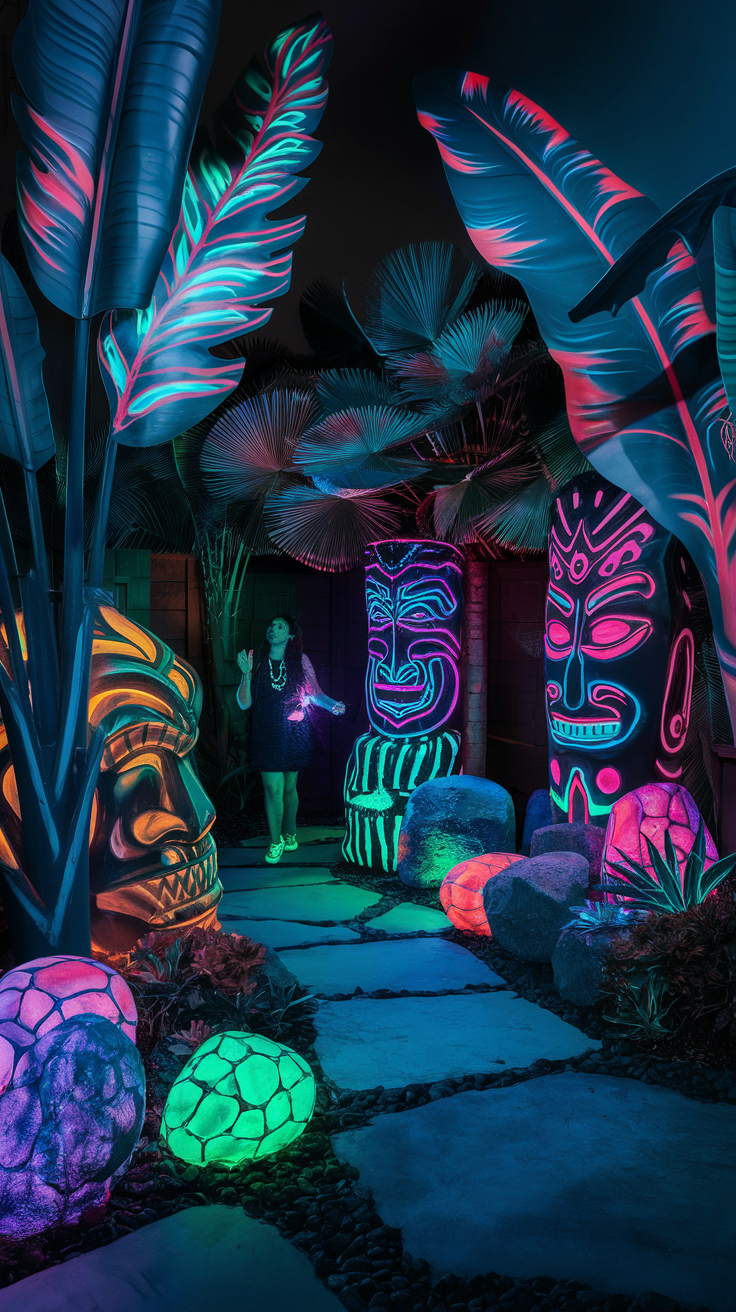
You can pour it over wood for a glass-like finish. Mix in metallic pigments for a marble effect. Embed bottle caps, shells, or photos. Add glow-in-the-dark powder for night magic.
Why epoxy is incredible:
It’s completely waterproof. Rain, spills, ice—nothing penetrates it.
The clarity is stunning. Your design looks suspended in glass.
It’s heat resistant up to about 120°F. Hot enough for most outdoor situations.
You can tint it any color imaginable. Ocean blues, sunset oranges, or keep it crystal clear.
The challenges:
There’s a learning curve. Epoxy is finicky about temperature and mixing ratios. Too cold and it won’t cure. Too much hardener and it yellows.
You need a dust-free environment while it cures. That’s tough in a garage or outdoor workspace.
Quality marine-grade epoxy isn’t cheap. Expect $100-200 for enough to coat a standard bar top.
The process takes time. Multiple coats. Long cure times between layers. Plan for a full weekend project.
Best for: Creative DIYers who want something nobody else has. Perfect for tiki bars, pool bars, or modern entertaining spaces.
Pro tip: Use marine-grade epoxy, not tabletop epoxy. Marine grade holds up better to UV rays and won’t yellow in the sun.
4. Large Format Outdoor Tile: Sleek and Modern

Think tile, but supersized.
Large format tiles (12″x24″ or bigger) give you the durability of tile with a contemporary edge.
Fewer grout lines mean less maintenance. The seamless look reads expensive. And installation goes faster than small tiles.
Why large tiles work:
Fewer grout lines equal less staining and less sealing. You might have only 2-3 grout lines on your entire bar top.
The smooth surface looks high-end. Very hotel-rooftop-bar vibes.
Modern colors and finishes abound. Concrete look. Wood grain. Marble veining. All the style without the upkeep.
What to watch for:
You need a perfectly flat, solid base. These big tiles show every imperfection in your substrate.
One cracked tile means replacing a huge section, not just a small piece.
You’ll probably need a wet saw to cut them. They’re too big for a score-and-snap cutter.
Best for: Modern and minimalist outdoor bars. Especially great for covered patios with solid concrete bases.
Pro tip: Use a tile leveling system. These plastic clips ensure perfectly flat tiles with even grout lines. Game-changer for beginners.
5. Marble Contact Paper: The Budget Hack

Here’s a secret: you don’t always need real stone.
High-quality marble contact paper looks shockingly real in photos. It costs about $20 for a full bar top. And you can install it in under an hour.
Why contact paper works:
It’s stupid cheap. We’re talking under $30 for materials.
Installation is beginner-friendly. Peel, stick, smooth out bubbles, trim edges. Done.
You can change it every season if you want. Bored with marble? Try concrete or wood grain next year.
It looks convincing in photos. Your Instagram followers won’t know the difference.
The honest limitations:
This isn’t for uncovered bars. Direct rain will ruin it fast.
Durability is limited. Expect to replace it every 1-2 years with heavy use.
Heat and sharp objects will damage it. Use coasters and cutting boards.
It won’t fool anyone up close. But from a few feet away? Totally believable.
Best for: Covered patio bars, rental properties, or anyone needing a temporary solution. Also perfect if you’re testing a style before committing to pricey materials.
Pro tip: Seal the edges with clear silicone caulk. This keeps moisture from peeling the edges up.
6. Concrete Overlay: Industrial Strength

Concrete isn’t just for driveways anymore.
Modern concrete overlays let you create a smooth, custom-colored bar top with incredible durability.
It’s the ultimate “industrial chic” look. And it’s tougher than almost anything else on this list.
Why concrete rocks:
It’s nearly indestructible. Heat, cold, impacts, spills—concrete laughs at them all.
You can tint it any color. Charcoal gray, terra cotta, sage green, even white.
The thickness adds substance. Your bar looks and feels substantial.
DIY kits make it accessible. Companies like Ardex and Quikrete sell everything pre-mixed.
The downsides:
Weight is real. Concrete is heavy. Make sure your bar frame can support it.
You must seal it. Unsealed concrete stains permanently from wine and cocktails.
The aesthetic is specific. It works for modern, industrial, or rustic styles. Not so much for traditional.
Application requires care. You’ll need to work in sections and get the consistency just right.
Best for: Modern, industrial, or farmhouse-style bars. Great for DIYers who’ve done some concrete work before.
Pro tip: Add a concrete sealer with a matte finish. Glossy sealers look plasticky. Matte maintains that authentic concrete vibe.
7. Acrylic Sheets: The Weatherproof Workhorse

Acrylic is the unsung hero of outdoor countertops.
It won’t crack in winter. Rain doesn’t faze it. Sun won’t warp it. And it’s light enough to move if needed.
Think of it as outdoor-grade plexiglass with a smooth, polished finish.
Why acrylic shines:
Weather can’t touch it. Freeze-thaw cycles? No problem. Torrential rain? Bring it on.
It’s lightweight. A fraction of the weight of tile or concrete.
Cutting and installing is easy. A circular saw with a plastic blade cuts it clean. Screw it down or use construction adhesive.
Spills wipe off instantly. No sealing required. Ever.
The tradeoffs:
Scratches show. Bar stools scraping across it, keys sliding, ice scoops—all leave marks.
It looks less natural than wood or stone. The plastic-y vibe won’t fool anyone.
Heat resistance is good but not great. Don’t set a hot pan directly on it.
Limited color options. Mostly whites, blacks, and clear.
Best for: Pool bars and tiki bars where water exposure is constant. Great for DIYers who prioritize low maintenance.
Pro tip: Get textured acrylic instead of smooth. The texture hides scratches and feels less slippery when wet.
8. Glass: Reflective Glamour

Glass transforms your bar into a jewel box.
The way it catches light is magical. Especially around string lights or tiki torches.
It brings a resort-like sophistication that’s hard to beat.
Why glass dazzles:
The shimmer effect is unreal. Each sheet reflects light differently, creating depth and movement.
It’s easy to clean. Glass doesn’t stain. Wipe it down and it looks new.
Color options are endless. Turquoise for a tropical vibe. Cobalt for Mediterranean. Amber for warmth.
Surprisingly durable. Modern glass is tempered and can handle outdoor conditions.
The practical reality:
Water spots show immediately. You’ll be wiping it down constantly if you’re a neat freak.
It’s slippery when wet. Not ideal if you’re resting your arms on it while mixing drinks.
Grout lines still need maintenance. Same sealing requirements as ceramic tile.
Cost adds up. Glass runs $8-20 per square foot.
Best for: Tiki bars, pool bars, and modern entertaining spaces. Perfect for the host who loves sparkle and doesn’t mind wiping down surfaces.
Pro tip: Mix glass sizes. Combine small mosaics with larger glass pieces for a custom look that’s easier to install.
9. Composite Decking: Set It and Forget It

Here’s the laziest option (in the best way).
Composite decking material makes a zero-maintenance bar top.
The same stuff you’d use for a deck—Trex, TimberTech, or similar brands—works beautifully as a countertop.
Why composite wins for low-maintenance lovers:
Zero sealing. Ever. The material is engineered to handle weather without any treatment.
It won’t splinter, rot, or warp. The plastic-wood composite is basically indestructible.
Installation is dead simple. Cut to length, screw down, done. If you can install a deck, you can do this.
It looks like wood from a distance. Not convincing up close, but good enough for most situations.
The limitations:
Color selection is limited. Grays, browns, and tans. That’s about it.
It can fade over time in direct sun. Quality brands fade less, but some color loss is inevitable.
It lacks the “wow” factor. This is practical, not glamorous.
Cost is moderate. Not the cheapest option, but not the priciest either.
Best for: Low-maintenance seekers. People who want to build once and forget about it. Perfect for busy hosts who’d rather entertain than maintain.
Pro tip: Choose hollow composite boards over solid ones. They’re lighter and easier to work with. Plus they cost less.
Quick Comparison: Which Material Is Right for You?
Most Durable: Concrete overlay and composite decking Easiest DIY: Contact paper and acrylic sheets
Best Looking: Epoxy resin and glass tile
Most Budget-Friendly: Contact paper and ceramic tile
Lowest Maintenance: Acrylic and composite decking
Most Versatile Style: Ceramic tile and sealed wood
For covered patios: Any of these work, but wood and contact paper shine here
For full sun exposure: Skip contact paper. Everything else handles UV.
For pool bars: Acrylic and glass tile are your friends
For traditional style: Wood or ceramic tile
For modern vibes: Large format tile, concrete, or acrylic
Installation Tips That Apply to Everything
Level is life. Every material on this list demands a flat, level base. Use shims. Use a long level. Check it twice. A wobbly bar top ruins even the most expensive material.
Overhang matters. Bar tops typically overhang 10-12 inches for knee room. Make sure your material is strong enough to cantilever without support.
Seal everything porous. Wood, concrete, grout—if liquid can soak in, seal it. Use products rated for outdoor use. Indoor sealers fail fast outside.
Test in a hidden spot first. New to a material? Practice your technique on a scrap piece or the underside. Figure out your mistakes where they won’t show.
Allow for expansion. Most materials expand and contract with temperature. Leave tiny gaps at the edges for movement. Caulk fills these gaps while allowing flex.
Think about edge treatment. Exposed plywood edges look cheap. Add trim pieces, bullnose tiles, or wrap edges with your material. Finished edges make DIY projects look professional.
Final Thoughts: Pick Your Perfect Bar Top
Your outdoor bar countertop sets the entire vibe.
Rustic wood whispers “neighborhood pub.” Gleaming glass tile says “resort escape.” Concrete overlay shouts “modern sophistication.”
The best material is the one that matches your style, fits your budget, and meets your maintenance reality.
Don’t overthink it. Most of these materials are forgiving. If you mess up, you can redo it. If you hate it next year, you can change it.
The goal is to get your bar built and start making memories. Perfect doesn’t exist. “Good enough to host great parties” absolutely does.
Now grab your materials and build something your friends will rave about.
Related reading you might enjoy:
- Unusual Outdoor Kitchen Countertop Ideas
- What Tile is Best for Outdoor Kitchen Countertops
- How to Seal Outdoor Tile Grout
- Outdoor Bar Seating Ideas That Actually Work
- DIY Outdoor Bar Decor on a Budget
Cheers to your new outdoor bar! 🍹