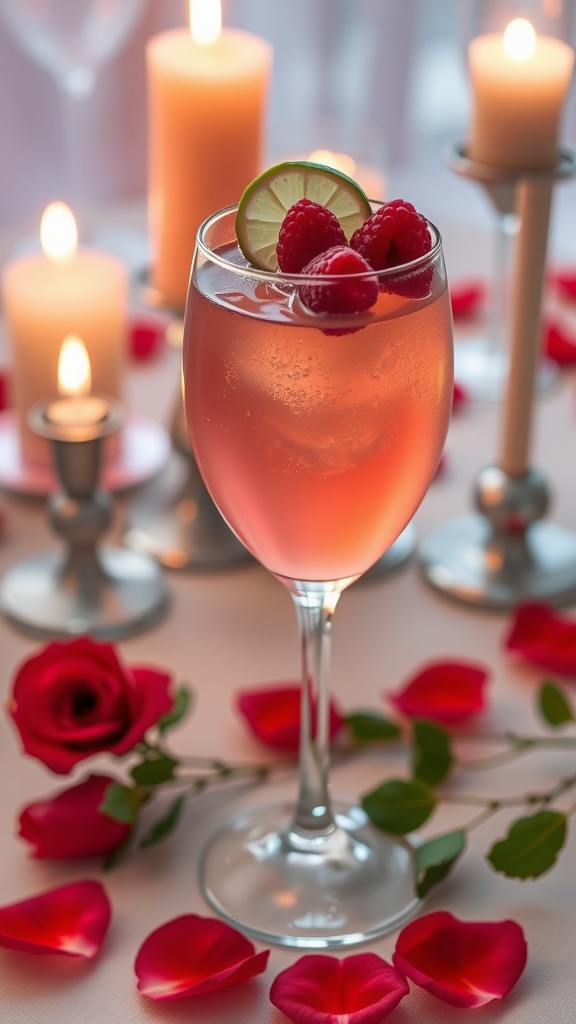
Mimosa Bar Garnish Ideas
Mimosa Bar Garnish Ideas: 11 Details That Make Every Glass Unforgettable
The garnish is the last decision. It’s also the one guests photograph.
You’ve chosen the glassware. You’ve lined up the juices. The champagne is chilling.
And then someone sets a dehydrated blood orange wheel on the rim of a coupe — and suddenly every guest has a phone in their hand.
That’s what a garnish does. It’s not decoration. It’s a signal. It says this host thought all the way to the edge of the glass.
Most mimosa bars stop at a sliced orange and a bowl of strawberries. That’s fine. But fine doesn’t get photographed. Fine doesn’t get remembered.
Below are eleven garnish ideas that take your mimosa bar from pleasant to memorable. Some take minutes to prep. Some require a bit of planning. All of them transform the drink the moment they hit the glass.
Already thinking about your glassware? Start with the right glass first — then come back here for the finishing touch.
Dehydrated Blood Orange Wheel

The Garnish That Started It All
There’s a reason this one appears everywhere. A dehydrated blood orange wheel is visually striking — deep coral fading to crimson, translucent in natural light — and it holds beautifully at room temperature for hours.
It’s the ideal garnish for a bridal shower, garden brunch, or anniversary party. It pairs perfectly with a classic orange mimosa or adds contrast to a blood orange juice variation.
The key is prep. You can’t do this last minute. Make them a day or two ahead and store in an airtight container.
How to Make Dehydrated Citrus Wheels
- Preheat oven to 200°F (or use a dehydrator at 135°F).
- Slice blood oranges — or navels, Meyer lemons, grapefruits — into 1/4-inch rounds using a sharp knife or mandoline.
- Pat each slice dry with a paper towel. Remove any visible seeds.
- Arrange in a single layer on a wire rack set over a baking sheet.
- Oven method: bake 2.5 to 3 hours, flipping halfway, until dry but not brittle. Dehydrator method: 6 to 8 hours at 135°F.
- Cool completely on the rack before storing. They crisp as they cool.
- Store in an airtight container at room temperature for up to two weeks.
Pairs With: Classic OJ mimosa, blood orange juice, grapefruit juice, Aperol splash
Best Glass: Coupe, wide-mouth wine glass
Pro Tip: Make a variety — blood orange, navel, grapefruit, lemon — and display them layered on a small plate at your bar. Guests choose their own.
Mint and Lime

The Refresher — Effortless and Always Right
Mint and lime is the garnish that requires almost no preparation and delivers every time. The combination is bright, aromatic, and unmistakably fresh.
Fresh mint releases its scent the moment a guest lifts the glass. That sensory moment — before the first sip — elevates the entire experience.
This works especially well at summer outdoor brunches, poolside gatherings, or any event where you want the bar to feel lively without heavy design effort.
How to Prep Mint and Lime Garnish
- Choose mint with full, bright green leaves and no browning. Spearmint is classic. Mojito mint (a variety of spearmint) has slightly larger leaves and is beautiful.
- Rinse sprigs gently and pat dry or spin in a salad spinner. Store upright in a small glass with a little water, like fresh-cut flowers.
- Slice limes into thin rounds — about 1/8 inch — or cut a small slit and perch on the glass rim.
- For a refined look: slide a lime wheel inside the glass against the glass wall, then tuck a mint sprig at the rim so it fans outward.
- For self-serve bars: keep mint in a small bowl of water and lime wheels on a small plate with tongs.
Pairs With: Pineapple juice, limeade, cucumber juice, or any tropical mimosa blend
Best Glass: Large wine glass, goblet, balloon glass
Pro Tip: Add a pinch of flaky sea salt to the rim before the garnish for an unexpected savory contrast to sweet juice.
Edible Flower Float

The Garden Party Garnish
A single edible flower on the rim of a champagne glass is a quiet statement. It signals a certain kind of host — one who noticed the details.
The key word is edible. Not all flowers are safe to consume, and not all florist flowers are food-safe due to pesticides. Source specifically from culinary suppliers.
This garnish is ideal for spring and summer events: garden parties, bridal showers, Mother’s Day brunches, engagement celebrations. It photographs beautifully against almost any juice color.
Edible Flowers That Work Well in Mimosas
- Carnations — peppery, slightly sweet. Full blooms look dramatic. Petals float beautifully.
- Violets — delicate, mildly sweet. Deep purple against pale champagne is stunning.
- Lavender blossoms — intensely aromatic. Use sparingly — a few florets, not a full sprig.
- Pansies — mild flavor, large face, enormous visual impact. Best balanced on the rim.
- Rose petals — classic, subtle flavor. Float several petals directly in the glass.
- Borage — tiny blue star-shaped flowers with a light cucumber flavor. Perfect in champagne.
- Nasturtiums — peppery and bold. Vibrant orange/red adds color contrast.
How to Use Edible Flowers as Garnish
- Source edible flowers from a specialty grocery, farmers market, or online culinary supplier. Never use florist flowers — they’re treated with chemicals not safe for consumption.
- Rinse gently under cool water and lay flat on paper towels to dry.
- For rim garnish: balance a single bloom on the edge of the glass so the stem rests inside and the flower faces outward.
- For floating garnish: place individual petals or small blooms directly on the surface of the drink.
- Store flowers loosely in a container lined with a damp paper towel in the refrigerator. Use within 24 hours.
Pairs With: Elderflower champagne, pear juice, lychee, rosé base
Best Glass: Coupe, martini glass, wide-mouth flute
Pro Tip: Freeze a single violet or borage flower inside an ice cube. Drop it into the glass at service — the flower appears as the ice melts.
Skewered Berries

Color, Texture, and a Little Something to Eat
A cocktail skewer with fresh berries does three things at once: it adds color, it gives the drink visual height, and it gives guests a small bite alongside their glass.
The combination of a halved strawberry flanked by blueberries is a classic because the color contrast — deep red and near-black against pale champagne — is immediately striking.
This garnish scales beautifully. You can pre-skewer dozens the night before and refrigerate them, ready to drop across each glass at service.
How to Make Berry Skewers
- Choose firm, ripe strawberries with bright color and no soft spots. Blueberries should be plump and dark.
- Hull strawberries and slice in half lengthwise for a clean, flat face that catches light.
- Use thin metal cocktail picks — silver looks more elegant than bamboo for this garnish. Four-inch picks work for most glasses.
- Thread: one blueberry, the strawberry half (cut face forward), one blueberry.
- Rest the pick across the rim of the glass so it sits at an angle, with one end resting inside and one outside.
- Pre-make and refrigerate up to 24 hours ahead. Cover loosely with plastic wrap.
Pairs With: Strawberry juice, rosé, peach nectar, watermelon juice
Best Glass: Martini-style coupe, standard flute, wide-mouthed coupe
Variations: Raspberry and blackberry skewer for a deeper, darker color story. Raspberry and lychee for a tropical spin.
Pro Tip: Offer both a berry skewer and an edible flower at your bar so guests can personalize their glass. It creates a moment of engagement at the station.
Candied Pear Chips with Pressed Flowers

The Showstopper — For Hosts Who Want a Moment
This is the garnish that stops conversation. A translucent pear chip — thin enough to show the pressed flowers embedded inside — balanced on a cocktail pick above a pale champagne drink is something most guests have never seen.
It’s more involved than the others. But if you’re hosting an engagement brunch, a milestone anniversary, or a bridal shower where you want one unforgettable visual moment, this is worth the prep time.
The technique combines dehydrated pear with a food-safe flower press — the kind of detail that photographs like a luxury bar experience.
How to Make Candied Pear Chips with Pressed Flowers
- Choose firm pears — Bosc or Anjou hold their shape best. Slice paper-thin on a mandoline, 1/16 inch if possible.
- Make a simple sugar syrup: combine 1 cup sugar and 1 cup water in a saucepan over medium heat. Stir until dissolved. Cool completely.
- Dip pear slices in the cooled syrup. Let excess drip off, then lay flat on a parchment-lined baking sheet.
- Immediately press one or two small edible flower petals onto the wet pear surface. Press gently so they adhere.
- Dry in oven at 200°F for 1.5 to 2 hours, or in dehydrator at 130°F for 4 to 5 hours. Watch carefully — pear chips can go from perfect to over-dried quickly.
- Remove when translucent and just barely pliable. They crisp as they cool.
- Store single-layer in an airtight container. Best within 48 hours.
- At service: thread a cocktail pick through the chip near the base and balance across the rim.
Pairs With: Pear nectar, elderflower champagne, white peach juice
Best Glass: Wide balloon wine glass, coupe
Pro Tip: Make several shapes — some with the pick through the center, some folded into a cone and set upright in the glass. Variety on the display plate looks intentional and styled.
Frozen Orange Juice Sphere

The Garnish That Improves the Drink as It Melts
This one is different from the others. It isn’t just decoration — it’s functional. A round sphere of pure frozen orange juice dropped into a champagne coupe slowly melts, releasing fresh OJ directly into the drink.
The result: a mimosa that gets slightly more flavorful as the glass progresses. No watering down the way regular ice does. Just a clean, slow infusion of fresh citrus.
It also looks dramatic. The golden sphere sits above the surface of the champagne, catching light, with a single herb leaf tucked alongside. It photographs beautifully and baffles guests in the best way.
How to Make Frozen OJ Spheres
- Use fresh-squeezed orange juice, strained. The cleaner the juice, the clearer the sphere.
- You’ll need a silicone sphere mold — the 1.5 to 2 inch size is ideal for champagne coupes. Available at kitchen supply stores or online.
- Fill each sphere cavity with juice, snap the mold closed, and freeze flat for at least 6 hours. Overnight is best.
- To unmold: run warm water briefly over the outside of the mold, then gently flex to release. Work quickly — they soften fast.
- Store frozen spheres on a small tray lined with parchment until service. Keep in freezer until the moment of use.
- At service: drop one sphere into the bottom of a coupe or wide glass, pour champagne around it, tuck a small sage leaf or mint sprig alongside.
- Optional: zest a little orange peel over the top just before serving for aroma.
Pairs With: Straight champagne (let the sphere do the flavoring), rosé champagne
Best Glass: Coupe — the wide mouth accommodates the sphere and lets it float visibly
Variations: Freeze blood orange juice for a deeper color. Freeze a blend of orange and passionfruit for a tropical version. Add a splash of grenadine to the mold for a sunrise effect as it melts.
Herb Garnish: Sage leaf is sophisticated and unexpected. Thyme sprig or basil leaf also work beautifully.
Pro Tip: Make these the night before. Prepare a few extra — the spheres are delicate and occasionally crack during unmolding.
Cucumber Ribbon

Garden Elegance — Crisp, Cool, and Architectural
A cucumber ribbon is one of those garnishes that looks technically impressive but is actually simple with the right tool. The thin spiral of green-edged cucumber threaded on a pick adds height, movement, and a garden-fresh quality that almost no other garnish delivers.
Pairing it with a small white flower — a daisy or chamomile bloom — extends that botanical mood into something guests associate with elevated outdoor dining.
This is the garnish for a spring garden party, an outdoor baby shower, or any event where the surrounding décor already has a floral or green element.
How to Make Cucumber Ribbons
- Use an English cucumber — the thin skin and minimal seeds make it ideal. Persian cucumbers also work well.
- Do not peel. The dark green stripe against the pale interior is a significant part of the visual appeal.
- Use a Y-peeler or a channel knife to create thin ribbon strips. Run the peeler lengthwise down the cucumber in one long, continuous motion.
- For spirals: thread the cucumber strip lengthwise onto a cocktail pick, weaving loosely so it forms a gentle wave or coil.
- For the most dramatic look: use two ribbons per pick and let them fold at different heights.
- Add a small edible flower — white daisy, chamomile, or borage — at the center of the pick, between the cucumber coils.
- Prepare up to 2 hours ahead. Store picks on a tray, covered with a damp cloth, in the refrigerator. Cucumber will soften if held longer.
Pairs With: Elderflower champagne, cucumber-infused juice, lemon juice, gin-spiked mimosa variations
Best Glass: Tall champagne flute — the height of the glass complements the vertical character of this garnish
Pro Tip: For a self-serve bar, put a Y-peeler and a cucumber on the garnish station and let guests make their own ribbons. It creates engagement and becomes a talking point.
Sugared Cranberries and Rosemary

The Holiday Garnish — Winter’s Most Elegant Detail
Sugared cranberries look like they require a pastry chef. They don’t. They’re one of the most forgiving garnishes you can make — done entirely in advance, stored for days, and they only get more beautiful as the sugar dries.
Paired with a sprig of fresh rosemary, they create a garnish that is unmistakably festive without being kitschy. The deep red of the cranberry against the silver-white sugar and the dark green rosemary is a color story that works from Thanksgiving through New Year’s.
This is your Christmas brunch garnish. Your New Year’s Day mimosa bar. Your holiday baby shower. It photographs beautifully and adds a seasonal specificity that generic garnishes never achieve.
How to Make Sugared Cranberries
- Make a simple syrup: combine 1/2 cup water and 1/2 cup sugar in a small saucepan. Heat until sugar dissolves completely. Do not boil. Remove from heat and cool to room temperature.
- Add 1 cup fresh cranberries to the cooled syrup. Stir gently to coat. Let sit for 15 minutes — no longer, or the skins will split.
- Lift cranberries out with a slotted spoon and spread in a single layer on a wire rack. Let dry for one hour at room temperature.
- Place 1/2 cup granulated sugar (not powdered) in a shallow bowl. Roll the tacky cranberries through the sugar in small batches until fully coated.
- Return to the wire rack and let dry completely — at least one more hour. The sugar coating will set firm and sparkle.
- Store uncovered at room temperature for up to five days. Do not refrigerate — moisture makes them weep.
How to Use at the Bar
- Thread three to five cranberries onto a cocktail pick or a small gold pin.
- Tuck a short sprig of fresh rosemary alongside — about 3 inches is the ideal length.
- Rest the pick across the rim of a champagne flute. The weight of the cranberries keeps it in place.
Pairs With: Cranberry juice, pomegranate juice, blood orange juice, rosé champagne
Best Glass: Tall champagne flute — the vertical profile complements the height of the rosemary sprig
Variations: Use a gold cocktail pin instead of a standard pick for holiday events. Roll cranberries in raw sugar for a more rustic texture.
Pro Tip: Display a small bowl of extra sugared cranberries on the garnish station. Guests will snack on them throughout the event, which keeps the station looking active and inviting.
Apple Fan

The Autumn Garnish — Simple Technique, Understated Impact
An apple fan is one of those garnishes where technique does the work. Three thin slices, cut and fanned at the rim of a flute, turn a standard ingredient into something that looks considered.
It’s seasonal by nature — the warm gold of a Honeycrisp or Gala apple reads immediately as autumn. Paired with apple cider or apple juice as the mimosa base, the garnish becomes part of a cohesive drink story.
This is the garnish for a fall bridal shower, a Thanksgiving brunch, a harvest-themed backyard gathering. It’s also one of the most budget-friendly options — apples are inexpensive, prep is fast, and they hold their shape reliably.
How to Make an Apple Fan Garnish
- Choose a firm apple with good color — Honeycrisp, Gala, and Fuji all work well. Red and gold varieties have the best visual contrast at the rim.
- Slice the apple in half through the core. Remove seeds.
- Using a sharp knife, slice the apple half into very thin, even slices — approximately 1/8 inch. A mandoline gives the most consistent results.
- To prevent browning: prepare a small bowl of cold water with a squeeze of lemon juice. Drop slices in immediately after cutting.
- When ready to garnish: remove three slices and pat dry with a paper towel.
- Align the three slices in a small stack, offset slightly, so each slice is visible behind the next.
- Make a small slit at the base of the stack — just enough to perch the fan on the rim of the glass.
- Press the slit gently over the rim so the fan stands upright.
Pairs With: Apple cider mimosa, pear nectar, spiced apple juice, ginger beer base
Best Glass: Tall champagne flute — the vertical profile lets the fan stand without tipping
Pro Tip: Add a single cinnamon stick inside the glass alongside the champagne. The aroma and the visual together tell an autumn story without additional décor.
Variation: Use a pear instead of apple for a more neutral, elegant look that works beyond fall.
Statement Watermelon Wedge

The Summer Garnish — Bold, Colorful, Unmistakable
When the garnish is a full wedge of watermelon, the drink makes an immediate seasonal declaration. This is not a quiet garnish. It’s a conversation piece — the kind of thing guests point at across the table.
The deep pink-red of a watermelon wedge against an already-saturated watermelon mimosa creates a color story that reads as summer even before the first sip. Paired with a sprig of fresh mint, it adds the aromatic freshness that keeps the whole thing from reading as too casual.
This is the garnish for a poolside July Fourth gathering, a summer engagement party, a backyard birthday brunch. It’s bold, it’s seasonal, and it scales effortlessly — a full watermelon yields dozens of garnish wedges.
How to Prepare Watermelon Wedge Garnish
- Start with a seedless watermelon, or seed it carefully before cutting. Seeds in a garnish undermine the effect.
- Slice the watermelon into 1-inch rounds. Cut each round into triangular wedges, rind on.
- For the ideal garnish size: aim for wedges that are roughly 2 to 3 inches along the red edge — large enough to see but not so large they overpower the glass.
- Cut a small slit into the rind at the bottom point of the wedge — about 1/2 inch deep. This is the notch that perches on the rim.
- Press the notch onto the rim of the glass. The rind grips the glass edge; the red flesh faces outward.
- Tuck a small sprig of fresh mint behind the wedge, stems into the drink.
- Prepare up to 1 hour ahead. Cover and refrigerate. Longer than that and the cut edge begins to look dry.
Pairs With: Watermelon juice, strawberry juice, hibiscus champagne, rosé base
Best Glass: Wide balloon wine glass or goblet — the wider rim supports the wedge securely
Pro Tip: Use a small melon baller to make watermelon spheres as an alternative. Thread them on a pick with a mint leaf. More work, but even more refined.
Strawberry and Lavender

The Romantic Garnish — Spring and Summer’s Most Photogenic Pairing
Photos: LaMarca courtesy
This combination works because of the contrast: a single ripe strawberry on the rim, and tiny lavender buds scattered directly across the surface of the drink. The strawberry is bold and immediate. The lavender is delicate and unexpected.
Together, they suggest intention. They suggest someone who planned this bar with care.
Lavender floating on champagne also has an aromatic effect — the bubbles carry the floral scent upward with every sip. It’s the kind of detail that’s felt before it’s noticed.
This is your Galentine’s brunch garnish. Your spring bridal shower. Any event where soft color and botanical romance are part of the design direction.
How to Use Strawberry and Lavender
- Choose firm, fully ripe strawberries with the stem and hull intact. The green hull against the red berry at the rim is part of the visual.
- Use food-grade dried lavender — available at specialty grocery stores, tea shops, or online. Culinary lavender is typically Lavandula angustifolia (English lavender). Do not use decorative lavender, which may be sprayed.
- At service: cut a small slit into the strawberry just below the hull. Press the slit onto the rim of the glass.
- Once the glass is poured, scatter a pinch of dried lavender buds directly onto the surface of the drink or . decorate the side of the glass. A small pinch — half a teaspoon or less. They float on the bubbles.
- The lavender will begin to sink slowly as the champagne loses its carbonation. Serve promptly after garnishing.
Pairs With: Strawberry juice, lychee juice, rosé champagne, elderflower champagne
Best Glass: Round balloon wine glass or wide coupe — a flat surface lets the lavender spread visibly
Lavender Caution: Culinary lavender has a strong flavor. Use sparingly. Too much reads as soap rather than floral.
Pro Tip: Display a small glass jar of culinary lavender on the garnish station with a small spoon. Let guests add their own. It creates a moment of customization that people remember.
How to Set Up Your Garnish Station
The garnishes only work if the station is organized. A beautiful garnish display in chaos is still chaos.
Set each garnish in its own small vessel: low bowls, ceramic ramekins, or wooden boards with small compartments. Label each one with a small card so guests know what they’re reaching for.
Offer cocktail picks in a small glass. Keep a pair of tongs for anything that shouldn’t be touched by hand.
Group garnishes visually by color family. Citrus-based garnishes together. Florals together. Herbs and greens together. The bar should look like an arrangement, not an afterthought.
And keep it stocked. An empty garnish bowl mid-party reads as oversight. Check the station every thirty minutes and refill as needed.
The Garnish Is the Invitation
A mimosa bar without garnishes serves champagne and juice. A mimosa bar with garnishes invites guests into an experience.
They pause. They choose and they arrange. Also, they photograph and they ask what the floating flower is, or how you made the frozen orange sphere, or where you found the pear chips with the pressed flowers inside.
That moment of curiosity — that pause before the first sip — is what separates a gathering from an event.
The glass was the beginning. The garnish is the finish. Get both right, and your mimosa bar becomes the detail guests talk about on the way home.