Backyard Micro Wedding
Vendors You Don’t Need for a Backyard Micro Wedding

For your own backyard micro wedding, the wedding industry will tell you that every celebration requires a village of vendors. Professional coordinator, full-service caterer, florist for every surface, day-of coordinator, rental company for chairs you’ll use once. For a backyard micro wedding with 20-30 guests, most of this is theater.
Here’s what you can confidently skip when you’re hosting an intimate celebration in your own backyard.
The Wedding Planner

Why you don’t need one: Wedding planners shine when coordinating multiple vendors across multiple venues with 150+ guests. When you’re hosting 25 people in a space you already control, you’re managing a sophisticated dinner party, not a production.
What to do instead: Create a single-day timeline on a spreadsheet. Your entire vendor list might be: photographer for 3 hours, food truck for 2 hours, rental delivery in the morning. That’s three phone calls, not a coordination crisis.
The timeline looks like this: 3pm ceremony, 3:30pm cocktails, 5pm food truck arrival, 7pm cake cutting, 8pm send-off. You don’t need a $3,000 planner to execute five time slots.
The Full-Day Photographer

Why you don’t need one: The traditional 8-hour wedding photography package exists for traditional weddings with traditional timelines. Getting ready shots, first look, ceremony, cocktail hour, reception entrances, formal portraits, toasts, dancing, bouquet toss, sparkler exit. Micro weddings compress all of this into 4-5 hours.
What to do instead: Hire a photographer for ceremony and reception only – typically 3-4 hours. Skip the getting-ready coverage (your sister can take iPhone photos of you in your dress). Skip the formal portrait session (your backyard is your portrait location). You’ll save $1,500-2,000 and still have professional documentation of what matters: vows, toasts, the moment your grandmother tears up.
For the cocktail hour and casual moments, hand nice cameras to two artistic friends. The slightly imperfect candids often become the images you treasure most.
The Florist

Why you don’t need one: Professional floral design exists to solve the problem of decorating large, impersonal venues. Your backyard already has character. A florist’s elaborate installations – ceremony arches dripping with roses, towering centerpieces, floral runners, escort card displays – are solutions for spaces that need transformation.
What to do instead: Hit Trader Joe’s or Whole Foods the morning of your wedding. Buy $200 worth of single-variety flowers: all white ranunculus, all blush roses, all eucalyptus. Put them in simple vessels – clear glass, ceramic, vintage bottles you already own. Single-variety arrangements look intentionally modern, not DIY.
For your ceremony backdrop, your backyard’s natural architecture (a tree, a fence, a garden wall) beats a rented arch. Add a single statement element: a vintage rug, two weathered chairs, one large potted tree. That’s $150 versus $1,500 for florals, and it photographs with more personality.
The Caterer

Why you don’t need one: Full-service catering – the kind with chafing dishes, service staff, plated courses, and tasting appointments – is built for feeding crowds efficiently. For 25 people, you’re feeding a large family dinner, not orchestrating a banquet.
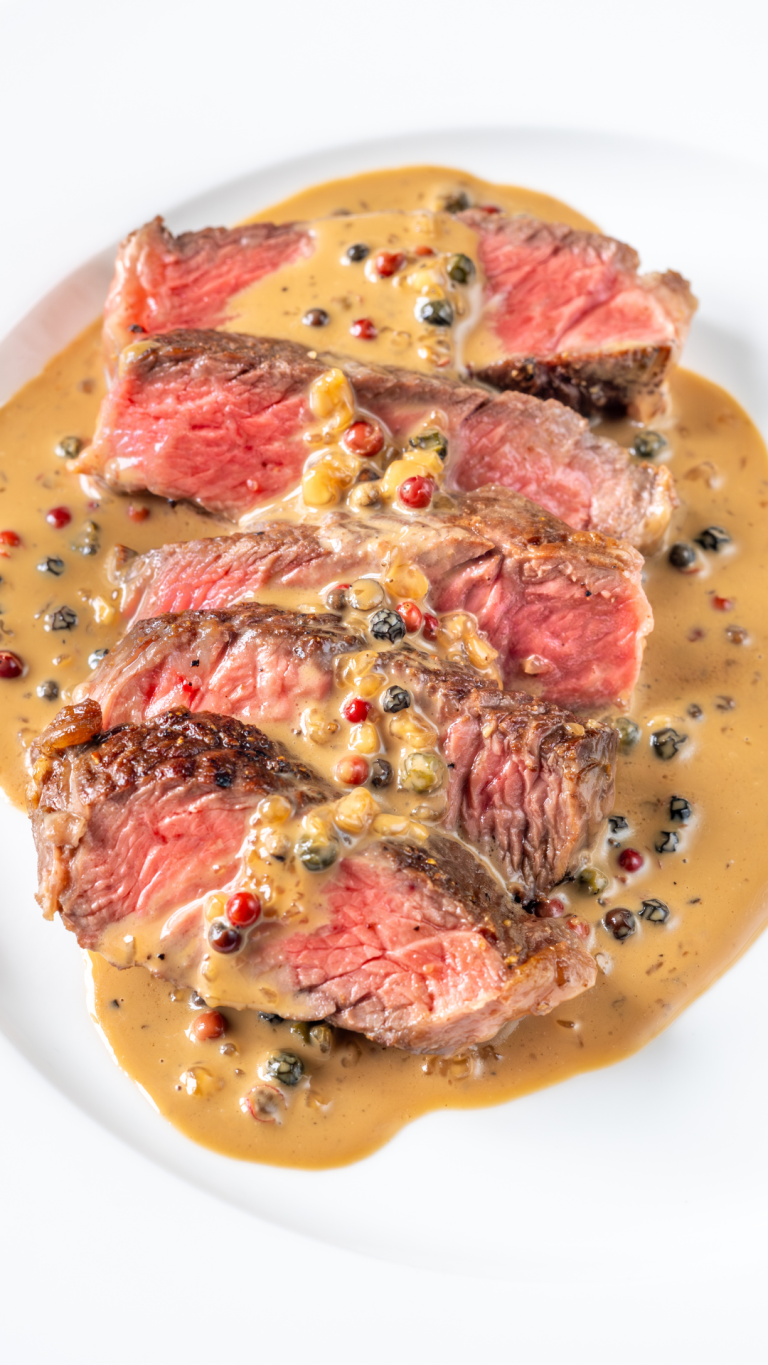
What to do instead: [Food trucks](link to Article 2) have become the signature solution for backyard micro weddings. A taco truck, pizza oven, or BBQ service brings theater (guests watch their food being made), casualness (no stuffy plated courses), and budget relief ($15-20 per person versus $75+ for traditional catering). The truck itself becomes a design element – you’re not hiding vendors in a kitchen, you’re featuring them.
Alternative: Family-style sharing platters from a good local restaurant. Many restaurants will deliver prepared trays of their signature dishes. Three large platters, two salad bowls, bread baskets. Put them on your tables and let people serve themselves. Cost: $400-600 total. Vibe: intimate dinner party with excellent food.
The Rental Company

Why you don’t need one: Rental companies exist because most people don’t own 150 matching chairs, 20 tables, and linens for 200. But you probably own enough seating for 25 people – you just haven’t thought of it as wedding seating yet.
What to do instead: Take inventory: dining chairs, folding chairs, outdoor furniture, benches, stools. Mix them intentionally. The mismatched European bistro look is editorial right now – much more sophisticated than rows of rental chiavari chairs.
For tables, you likely have one main dining table. Add card tables covered with nice linens (white, linen, soft blush – anything solid and natural). Or rent just tables ($8-10 each) and use your own chairs. You’ll spend $100 instead of $800.
Same logic for dishes: If you don’t own 25 matching dinner plates, buy disposable options that look intentional. Palm leaf plates, bamboo, heavy-weight cream-colored paper. These cost $2-3 per place setting and look far better than clear plastic trying to impersonate china.
The DJ
Why you don’t need one: Professional DJs bring sound systems, MC services, lighting, and the ability to read a room of 200 dancing guests. For 25 people in your backyard, a DJ feels outsized – like hiring a stadium announcer for a dinner party.
What to do instead: Curate a Spotify playlist in advance. Create distinct playlists for each segment: ceremony (instrumental, 10 minutes), cocktail hour (upbeat but conversational), dinner (mellow but not boring), celebration (whatever makes your 25 people want to dance). Rent a quality bluetooth speaker ($50) or borrow one. Appoint one tech-savvy friend to transition between playlists.
For any speeches or toasts, a simple handheld wireless microphone ($30 on Amazon) ensures everyone can hear your dad’s toast. That’s $80 in audio versus $1,500 for a DJ.
The Day-Of Coordinator
Why you don’t need one: Day-of coordinators exist to execute timelines you’ve created, answer vendor questions, handle crises, and keep things moving. With a micro wedding’s compressed timeline and minimal vendor list, there’s little to coordinate.
What to do instead: Deputize one extremely organized friend as your “point person.” This is not your maid of honor (she should be celebrating with you). This is the friend who’s slightly bossy, good in a crisis, and doesn’t mind missing 20 minutes of cocktail hour to make sure the food truck knows where to park. Brief them on the timeline, introduce them to your photographer and food service, hand them your phone. They’ll handle the three things that might come up.
What You Should Actually Spend On

This isn’t about having a cheap wedding. It’s about redirecting budget toward what creates atmosphere in an intimate backyard celebration:
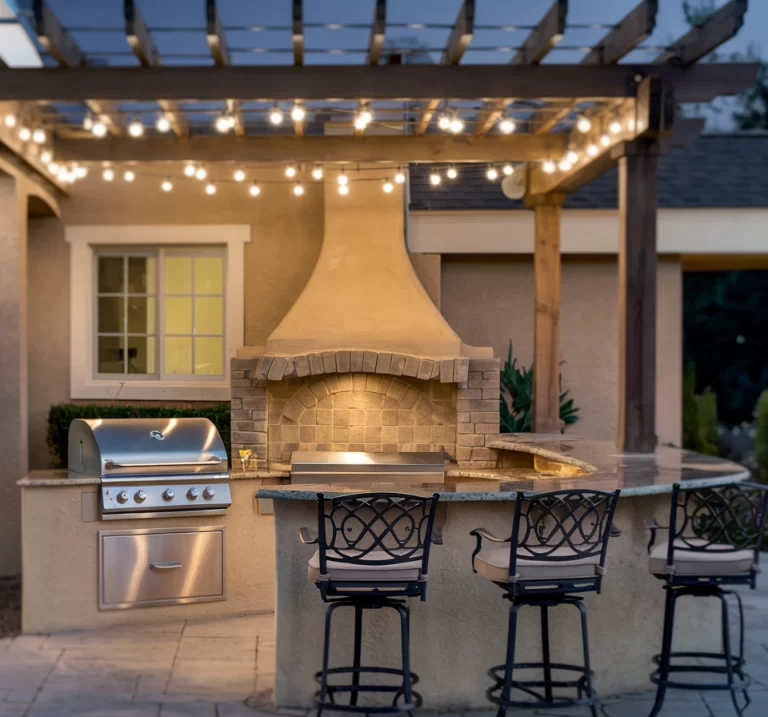
Lighting: String lights, lanterns, candles. This transforms your space from “backyard” to “venue.” Budget $300-500.

One signature element: Maybe it’s a stunning dessert display, a vintage bar cart setup, incredible napkins and table linens. Choose one thing to be lavish about. Budget $400-600.
Professional photography: You’re skipping the 8-hour package, but the 3-4 hours you do hire should be excellent. Budget $1,500-2,500.
Quality food: Whether it’s a great food truck or restaurant delivery, don’t cheap out on what people will eat. Budget $500-750 for 25 guests.
The Math
Traditional vendor package for a 150-person wedding: $15,000-25,000 Micro wedding with strategic vendor skipping: $3,500-5,000
You’re not eliminating joy or sophistication. You’re eliminating infrastructure designed for crowds you’re not hosting.
The vendors you skip aren’t creating your celebration – your backyard, your people, and your intentional choices are. That’s what makes a micro wedding feel personal rather than produced.